Why Bamboo Products Are Taking Over (And Should They?)
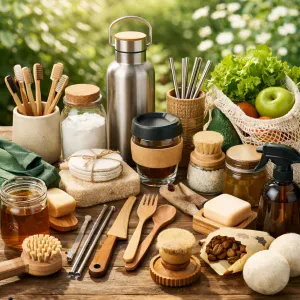
Bamboo products are everywhere these days—from toothbrushes and phone cases to clothing and furniture. This shift has eco-conscious consumers, busy parents, and anyone trying to make better purchasing decisions wondering if the bamboo hype is real or just another green marketing trend.
Who this guide is for: If you're curious about switching to bamboo alternatives, already using some bamboo products but want to understand their impact better, or simply trying to cut through the marketing claims to find the truth, this breakdown is for you.
We'll explore the environmental advantages driving bamboo's popularity and examine why sustainability-focused brands can't stop talking about this fast-growing grass. You'll also discover the performance benefits that actually match consumer expectations—because eco-friendly shouldn't mean sacrificing quality. Finally, we'll tackle the potential drawbacks and legitimate concerns that critics raise, so you can make informed decisions about when bamboo products make sense and when they might not be the best choice.
The Environmental Advantages Driving Bamboo's Popularity

Lower Carbon Footprint Compared to Traditional Materials
Bamboo stands out as a climate champion when compared to conventional materials like hardwood, plastic, and even cotton. While oak trees take 25-100 years to mature, bamboo reaches full height in just 3-5 years, absorbing significantly more carbon dioxide during its rapid growth phase. A single bamboo plant can sequester up to 35% more carbon than equivalent stands of trees.
The manufacturing process tells an equally compelling story. Bamboo textiles require approximately 70% less water than cotton production and eliminate the need for pesticides that cotton farming typically demands. When producing bamboo paper, mills use 60% less energy compared to traditional wood pulp processing, primarily because bamboo's natural lignin content is lower, requiring less chemical treatment.
Transportation emissions add another layer to bamboo's advantage. Most bamboo grows in Asia, but its lightweight nature means shipping costs and carbon footprints remain surprisingly low. A shipping container can hold nearly twice as much bamboo product weight compared to hardwood alternatives.
Manufacturing versatility also contributes to reduced emissions. Bamboo can be processed into textiles, construction materials, and consumer goods using existing machinery with minimal modifications, avoiding the massive infrastructure overhauls that other sustainable materials often require.
Biodegradable Properties That Reduce Waste
Unlike synthetic alternatives that persist for centuries, bamboo products return to earth within 3-6 months under proper composting conditions. This biodegradability addresses one of modern consumption's biggest challenges: the accumulation of non-degradable waste in landfills and oceans.
Bamboo's cellular structure contains natural antimicrobial properties that prevent odor and bacterial growth during use, yet these same properties break down completely when exposed to soil microorganisms. Toothbrushes, utensils, and packaging made from bamboo decompose into nutrient-rich organic matter that actually improves soil health.
The textile industry particularly benefits from bamboo's end-of-life characteristics. Synthetic fabrics contribute roughly 35% of ocean microplastics, while bamboo clothing decomposes completely without releasing harmful particles. Even bamboo-viscose blends, though chemically processed, break down faster than pure synthetic materials.
Compostability testing reveals impressive results across bamboo products:
| Product Type | Decomposition Time | Waste Reduction vs. Synthetic |
|---|---|---|
| Bamboo utensils | 4-6 months | 99.8% |
| Bamboo textiles | 3-4 months | 100% |
| Bamboo packaging | 2-3 months | 95-100% |
Commercial composting facilities report that bamboo waste requires no special handling and actually helps balance carbon-nitrogen ratios in compost piles, improving overall decomposition rates for other organic materials.
Performance Benefits That Match Consumer Expectations

Durability and Strength Comparable to Conventional Alternatives
Bamboo's reputation for weakness couldn't be further from reality. This fast-growing grass delivers tensile strength that rivals steel, making it a serious contender against traditional materials. When processed correctly, bamboo products demonstrate remarkable resilience that often surprises first-time users.
Structural Performance Metrics:
| Material | Tensile Strength (MPa) | Flexural Strength (MPa) | Density (kg/m³) |
|---|---|---|---|
| Bamboo | 140-230 | 50-100 | 600-800 |
| Oak Wood | 90-110 | 85-105 | 600-900 |
| Pine Wood | 40-80 | 65-85 | 350-550 |
Modern bamboo processing techniques create products that withstand daily wear across multiple categories:
-
Kitchen utensils maintain their shape through thousands of wash cycles
-
Flooring handles heavy foot traffic comparable to hardwood alternatives
-
Textiles resist pilling and maintain softness after repeated washing
-
Furniture supports weight loads matching conventional wood pieces
The secret lies in bamboo's natural fiber structure. Unlike trees that grow slowly and develop weak points, bamboo's rapid growth creates dense, uniform fibers that distribute stress evenly. This translates to cutting boards that don't crack, phone cases that absorb impact, and clothing that keeps its form wash after wash.
Professional testing consistently shows bamboo products meeting or exceeding industry standards for their respective categories, challenging the misconception that eco-friendly means fragile.
Natural Antimicrobial Properties for Health-Conscious Users
Bamboo brings built-in protection that synthetic materials simply can't match. The plant naturally produces "bamboo kun," a bio-agent that provides antimicrobial and antibacterial properties without chemical additives.
Key Health Benefits:
-
Bacterial resistance: Natural compounds inhibit growth of common bacteria like E. coli and Staphylococcus
-
Odor prevention: Antimicrobial action reduces smell-causing bacteria in textiles and kitchenware
-
Moisture management: Excellent absorption and quick-drying properties prevent bacterial breeding grounds
-
Hypoallergenic nature: Fewer chemical treatments mean reduced skin irritation for sensitive users
Laboratory studies demonstrate bamboo's effectiveness against harmful microorganisms. Bamboo fiber textiles retain their antimicrobial properties even after multiple washing cycles, unlike chemically-treated alternatives that lose effectiveness over time.
This natural protection proves especially valuable in:
-
Food preparation areas where bamboo cutting boards resist bacterial contamination
-
Personal care items like towels and underwear that stay fresher longer
-
Baby products offering chemical-free protection for sensitive skin
-
Athletic wear that fights odor-causing bacteria during intense activities
The antimicrobial properties aren't just marketing hype – they represent measurable advantages that health-conscious consumers can actually experience in their daily lives.
Potential Drawbacks and Legitimate Concerns

Processing Chemical Requirements for Certain Products
While bamboo starts as a natural material, many bamboo products go through intensive chemical processing that contradicts the eco-friendly narrative. Bamboo viscose and rayon, commonly found in clothing and bedding, require harsh chemicals like sodium hydroxide and carbon disulfide during manufacturing. These chemicals can be toxic to workers and harmful to the environment if not properly managed.
The transformation from bamboo pulp to soft fabric involves dissolving the bamboo in chemical baths, then regenerating it into fibers. This process is similar to conventional rayon production and creates wastewater that needs careful treatment. Some manufacturers have improved their practices with closed-loop systems that recycle chemicals, but not all companies follow these standards.
Even bamboo toilet paper and disposable plates often undergo bleaching processes using chlorine compounds. These treatments remove the natural color and create the bright white appearance consumers expect, but they also introduce chemicals that weren't originally present in the raw bamboo.
The irony is striking – consumers choose bamboo thinking they're avoiding synthetic materials, but end up with products that required significant chemical intervention. Reading labels and researching manufacturing processes becomes essential for buyers who want truly sustainable options.
Higher Initial Costs for Premium Bamboo Items
Quality bamboo products typically cost 20-50% more than their conventional counterparts, creating a barrier for budget-conscious consumers. Bamboo cutting boards can run $30-60 compared to $10-20 for plastic alternatives. High-end bamboo sheets start around $100 for a queen set, while basic cotton sheets might cost $40-50.
The price gap stems from several factors. Bamboo processing requires specialized equipment and techniques, especially for textiles and engineered lumber. Labor costs are often higher because bamboo manufacturing hasn't achieved the same economies of scale as established industries like cotton or plastic production.
Premium bamboo products justify their prices through superior durability and performance. A well-made bamboo cutting board can last decades with proper care, making the cost-per-use reasonable over time. Bamboo clothing offers antimicrobial properties and moisture-wicking that synthetic alternatives can't match.
However, cheaper bamboo alternatives flood the market with inconsistent quality. These budget options might warp, crack, or lose their antimicrobial properties quickly. Consumers face the challenge of distinguishing between legitimate premium products and overpriced items trading on bamboo's trendy reputation.
The investment pays off for committed users, but the upfront cost prevents many people from experiencing bamboo's benefits firsthand.

Bamboo products have clearly struck a nerve with environmentally conscious consumers, and for good reason. Their rapid growth cycle, minimal environmental impact, and impressive performance capabilities make them a compelling alternative to traditional materials. From toothbrushes to building materials, bamboo delivers on both sustainability promises and practical functionality that people actually want to use.
That said, the bamboo boom isn't without its challenges. Quality control issues, higher upfront costs, and questions about long-term durability in certain applications are real concerns worth considering. The key is being an informed consumer – not every bamboo product is created equal, and not every use case makes sense for bamboo alternatives. Take the time to research brands, read reviews, and weigh the trade-offs for your specific needs. When done right, choosing bamboo products can be a meaningful step toward more sustainable living without sacrificing the performance you expect.