10 Eco Products That Will Transform Your Home in 2024
Transform Your Home Into an Eco-Friendly Haven This Year
Ready to make your home greener while saving money? This guide is for environmentally conscious homeowners who want to reduce their carbon footprint without breaking the bank. We've rounded up 10 eco products that will transform your home in 2024, from simple swaps to smart upgrades that pay for themselves.
You'll discover energy-efficient smart home systems that can cut your monthly bills by 20-30%. We'll also explore water conservation solutions that help you save hundreds of gallons per month while lowering your utility costs. Plus, learn about sustainable kitchen upgrades that prevent food waste and put money back in your pocket.
Each product recommendation includes real cost savings, installation tips, and long-term benefits for your family and the planet.
Energy-Efficient Smart Home Systems That Slash Your Bills
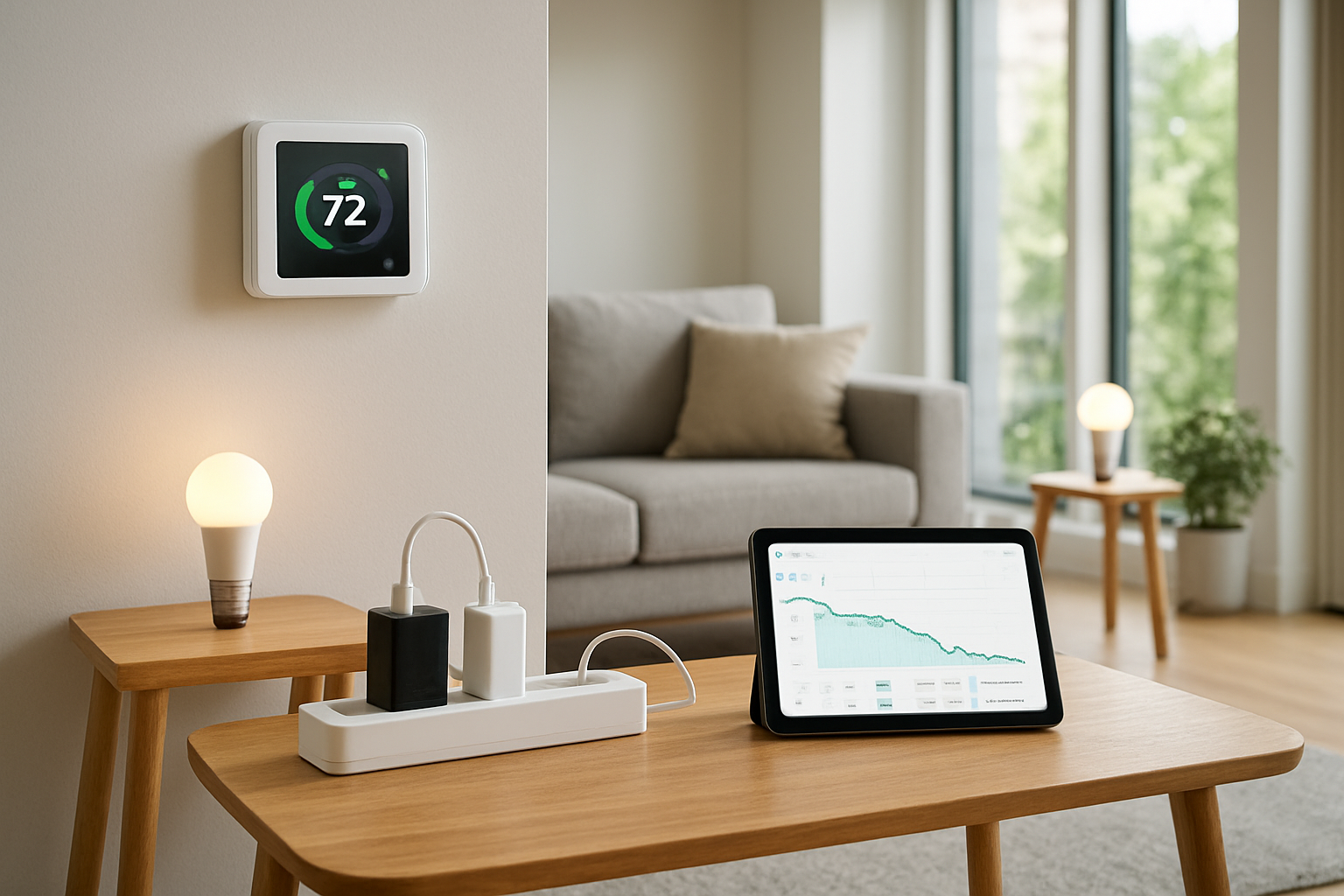
Smart thermostats that learn your schedule and optimize heating costs
Smart thermostats represent one of the most impactful upgrades you can make to your home's energy efficiency. These devices go far beyond basic programmable thermostats by using artificial intelligence to understand your daily routines and preferences. Leading models like the Nest Learning Thermostat and Ecobee SmartThermostat can reduce heating and cooling costs by 10-23% annually.
The magic happens through their learning algorithms. After about a week of monitoring your manual adjustments, these thermostats begin automatically adjusting temperatures based on when you're home, sleeping, or away. They also factor in weather patterns, humidity levels, and your home's thermal characteristics to make micro-adjustments that maintain comfort while minimizing energy waste.
Many models include occupancy sensors and smartphone integration, allowing remote control and scheduling. Some even detect when you're driving home using your phone's location services, preemptively adjusting temperatures so your home is comfortable when you arrive without wasting energy heating an empty house all day.
The payback period typically ranges from 1-2 years, with average savings of $131-145 annually on energy bills. Installation is straightforward for most homes, and utility companies often offer rebates that can offset 50-100% of the purchase price.
Solar-powered outdoor lighting systems for zero electricity consumption
Solar outdoor lighting has evolved dramatically, offering bright, reliable illumination without adding a cent to your electricity bill. Modern solar lights feature high-efficiency LED bulbs paired with advanced lithium-ion batteries and improved photovoltaic panels that can generate power even on cloudy days.
Today's solar lighting systems deliver impressive performance metrics. Premium models provide 8-12 hours of continuous lighting after a full day's charge, with some featuring motion sensors that extend battery life by activating only when needed. Brightness levels now rival traditional electric fixtures, with many producing 800-1200 lumens – equivalent to a 60-75 watt incandescent bulb.
| Solar Light Type | Average Lumens | Runtime | Best Use Case |
|---|---|---|---|
| Path Lights | 50-200 | 8-10 hours | Walkways, garden borders |
| Security Floodlights | 800-1200 | 6-8 hours | Driveways, entrances |
| String Lights | 800-1000 total | 6-12 hours | Patios, entertaining areas |
| Landscape Spotlights | 200-600 | 8-10 hours | Highlighting features |
Installation requires no electrical work or trenching for wires. Simply mount the fixtures in sunny locations and they're ready to operate. Weather-resistant designs withstand harsh conditions, with many carrying 2-5 year warranties. The absence of monthly electrical costs means these systems pay for themselves within the first year while reducing your carbon footprint.
Energy monitoring devices that identify power-wasting appliances
Energy monitoring devices act as detective tools for your home's electricity consumption, revealing which appliances are silently driving up your bills. These smart devices provide real-time insights that can uncover surprising energy drains and help you make informed decisions about usage patterns and appliance replacements.
Whole-home monitors like Sense and Emporia Vue install at your electrical panel and track energy usage throughout your entire home. They use machine learning to identify individual appliances based on their unique electrical signatures, showing you exactly how much each device costs to operate. You might discover that your old refrigerator consumes $200 worth of electricity annually, making a strong case for replacement.
Individual plug-in monitors offer a more targeted approach. These devices plug into wall outlets between your appliance and the wall, measuring exactly how much power that specific device uses. They're perfect for testing suspect appliances or comparing the energy consumption of different devices.
The data these monitors provide is eye-opening. Users typically discover that phantom loads (devices drawing power when "off") account for 5-10% of their total electricity usage. Common culprits include cable boxes, coffee makers with clocks, and computer peripherals. Armed with this information, homeowners often reduce their electricity bills by 10-15% through simple behavioral changes and strategic appliance upgrades.
Smart power strips that eliminate phantom energy drain
Phantom energy drain – the power consumed by electronics when they're turned off but still plugged in – accounts for 5-10% of residential electricity usage. Smart power strips provide an elegant solution to this invisible energy waste, automatically cutting power to devices when they're not in use.
Advanced smart power strips feature multiple outlet types: always-on outlets for devices that need constant power (like routers), switched outlets that turn off with a master device, and timer-controlled outlets that can be programmed for specific schedules. When you turn off your TV, connected devices like gaming consoles, sound bars, and streaming devices automatically lose power too.
Some models include smartphone apps that allow remote control and scheduling. You can set your home office setup to automatically power down at 6 PM or ensure your entertainment center isn't drawing power overnight. WiFi-enabled models provide usage reports, helping you quantify your savings.
The financial impact adds up quickly. A typical entertainment center with phantom loads can consume 50-100 watts continuously, costing $50-120 annually. Smart power strips eliminate this waste while protecting your electronics from power surges. With average costs of $25-60 per strip and potential savings of $100+ annually per household, they deliver immediate returns on investment while extending the lifespan of your connected devices through consistent power management.
Water Conservation Solutions for Maximum Savings
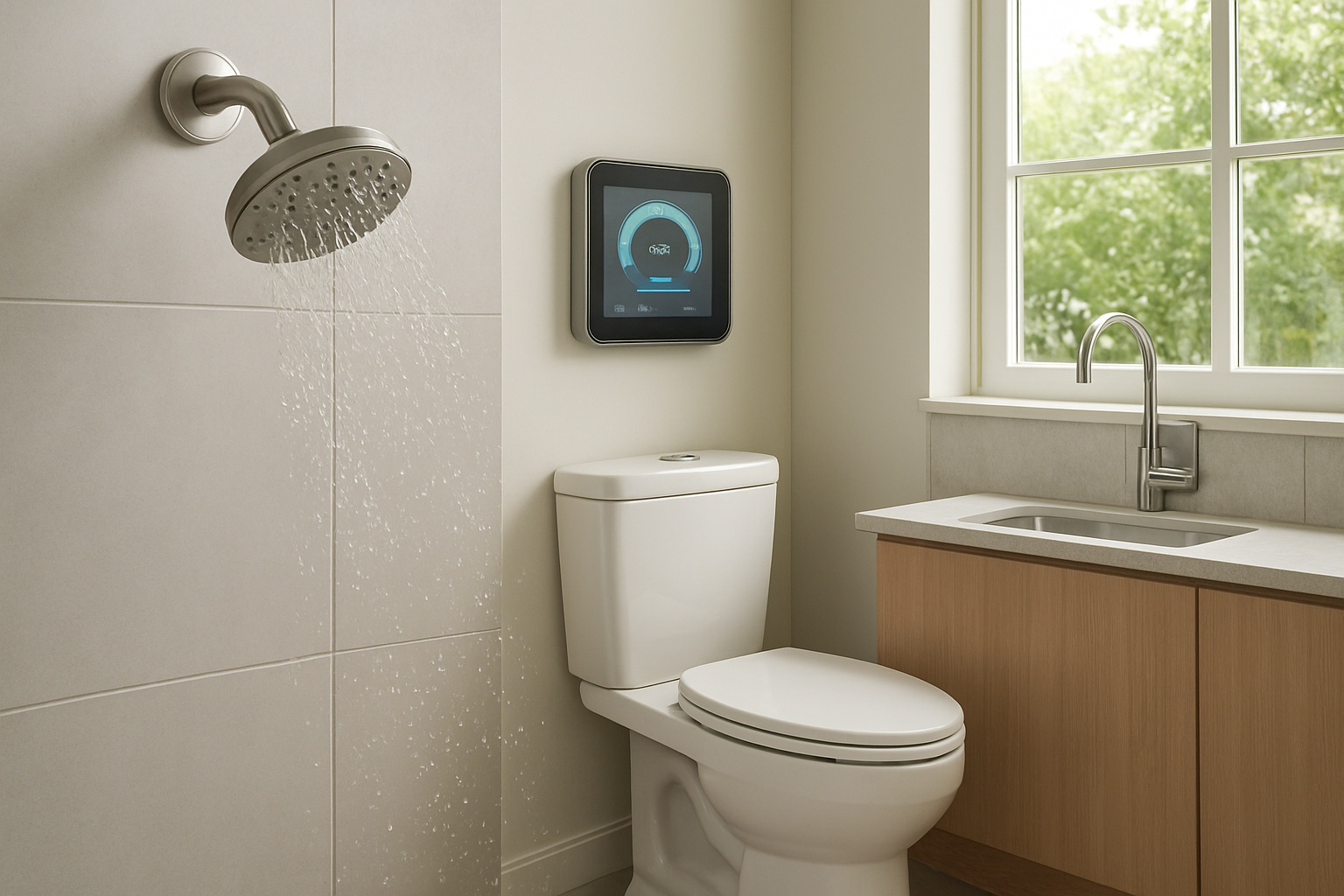
Low-flow showerheads that maintain pressure while reducing usage
Modern low-flow showerheads have completely changed the game when it comes to water conservation. These innovative fixtures cut water usage by up to 40% while delivering a satisfying shower experience that rivals traditional high-flow models. The secret lies in advanced engineering that incorporates air injection technology, creating a fuller spray pattern that feels more luxurious than older water-saving models.
Today's best low-flow showerheads use between 1.5 to 2.0 gallons per minute, compared to standard models that blast through 2.5 gallons or more. The newest designs feature multiple spray settings, from gentle rain patterns to invigorating massage modes, all while maintaining optimal water pressure through precision-engineered nozzles.
Installation takes just minutes with basic tools, and the average household saves $70-100 annually on water heating costs alone. Look for WaterSense certified models that guarantee performance standards. Popular options include the Kohler Forte with its three-function design and the Delta H2Okinetic series, which creates the sensation of more water through larger droplets that retain heat better than traditional sprays.
Smart irrigation controllers that adjust watering based on weather
Smart irrigation controllers represent one of the most impactful upgrades for outdoor water conservation. These intelligent systems connect to local weather data and soil moisture sensors to automatically adjust watering schedules, eliminating the guesswork and waste of traditional timer-based systems.
The technology monitors real-time weather conditions, rainfall predictions, temperature, humidity, and even seasonal changes to determine optimal watering needs. When rain is forecast, the system postpones scheduled watering. During hot spells, it increases frequency while maintaining efficient water delivery. This precision approach typically reduces outdoor water usage by 20-50%.
Leading models like the Rachio 3 and Rain Bird ST8I-2.0 offer smartphone control, allowing remote monitoring and manual overrides when needed. These systems learn your landscape's specific requirements over time, creating customized schedules for different zones based on plant types, soil conditions, and sun exposure.
Installation costs range from $200-500, but most users see payback within 18 months through reduced water bills. Many utility companies offer rebates for smart controller installations, making the investment even more attractive.
Greywater recycling systems for garden and toilet use
Greywater recycling systems capture and reuse water from sinks, showers, and washing machines, redirecting this relatively clean wastewater for irrigation and toilet flushing instead of sending it to treatment facilities. This approach can reduce household water consumption by 30-40% while maintaining a lush garden even during drought conditions.
Simple laundry-to-landscape systems start around $200 and directly channel washing machine water to garden beds through basic plumbing modifications. More sophisticated whole-house systems cost $2,000-5,000 but include filtration, storage tanks, and pump systems that can supply both outdoor irrigation and indoor toilet flushing.
The water requires minimal treatment since it comes from bathing and washing activities rather than toilets or kitchen sinks (which contain more contaminants). Basic filtration removes lint, hair, and soap residue, making the recycled water safe for most plants and non-potable indoor uses.
Modern greywater systems include automated controls that ensure proper water quality and distribution. Many states now encourage these installations through streamlined permitting processes and tax incentives, recognizing their role in reducing strain on municipal water supplies and treatment facilities.
Non-Toxic Cleaning Products That Protect Your Family's Health
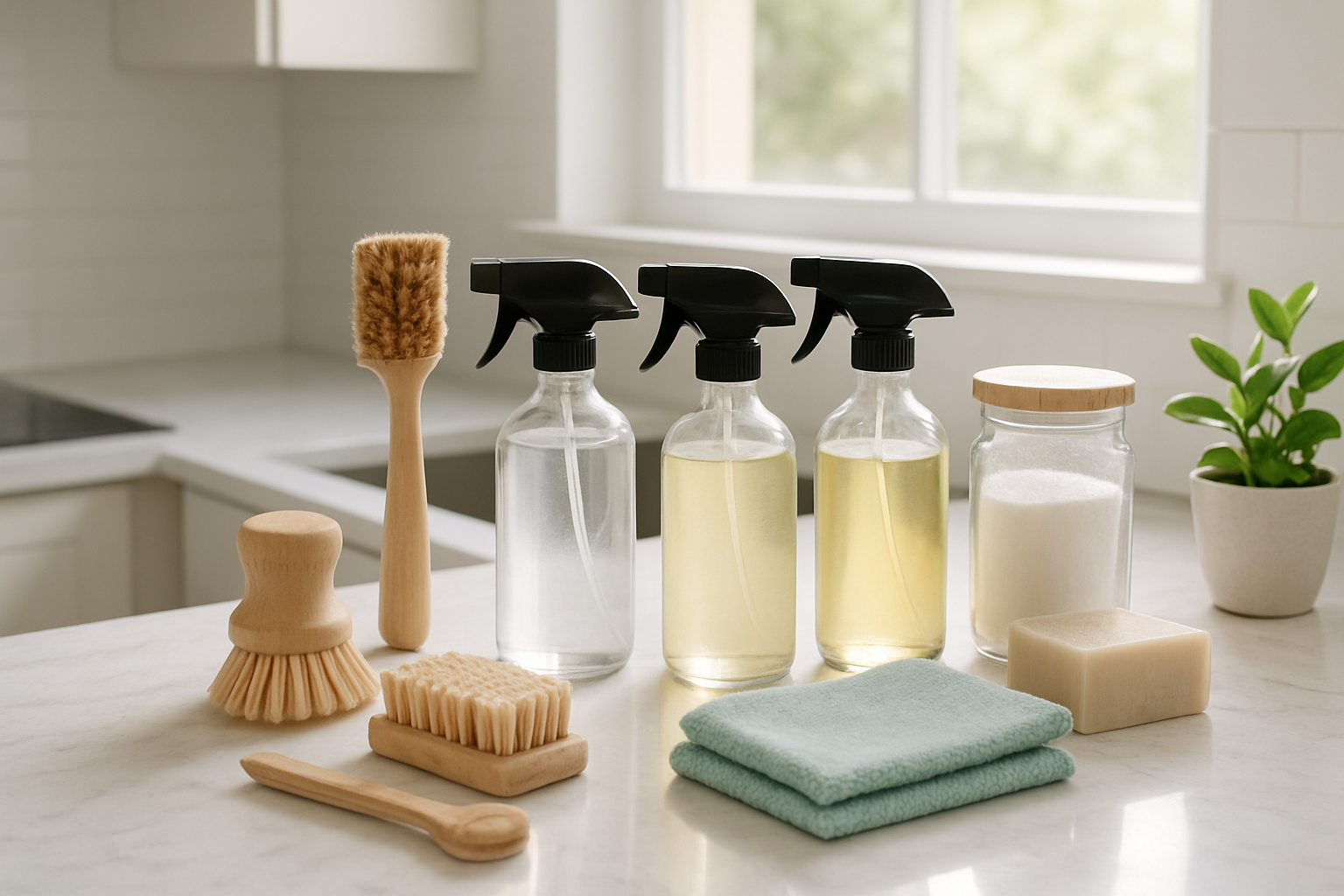
Plant-based all-purpose cleaners that eliminate harmful chemicals
Traditional household cleaners pack a serious punch when it comes to toxic chemicals. Ammonia, bleach, and synthetic fragrances can trigger asthma, irritate skin, and create indoor air pollution that's often worse than what you'd breathe outside. Plant-based all-purpose cleaners flip this script entirely.
These eco-friendly alternatives harness the cleaning power of ingredients like coconut-derived surfactants, citrus oils, and plant enzymes. Brands like Method, Seventh Generation, and Branch Basics have perfected formulas that tackle grease, grime, and bacteria without the chemical cocktail. The secret lies in how plant-based surfactants break down dirt molecules just as effectively as their synthetic counterparts.
What makes these cleaners particularly appealing is their versatility. One bottle can handle countertops, glass surfaces, appliances, and even light floor cleaning. Many come in concentrated forms, reducing packaging waste while saving money long-term. The pleasant natural scents from essential oils like lavender, eucalyptus, or orange peel create a fresh environment without synthetic air fresheners.
Biodegradable laundry pods that are gentle on skin and environment
Conventional laundry detergents contain optical brighteners, phosphates, and synthetic fragrances that can cause skin reactions and persist in waterways long after they leave your washing machine. Biodegradable laundry pods solve both problems while delivering impressive cleaning results.
These pods use plant-based enzymes and naturally derived surfactants that break down completely within 28 days of entering water systems. Brands like Dropps, Tru Earth, and Blueland have created formulations that work in cold water, reducing energy consumption while protecting fabric integrity. The concentrated nature of pods eliminates overdosing, a common problem with liquid detergents.
For families with sensitive skin or allergies, these gentle formulas provide relief from the irritation caused by harsh chemicals. Many options are free from dyes, artificial fragrances, and hypoallergenic certifications from dermatologists. The compact packaging reduces plastic waste by up to 90% compared to traditional liquid detergent bottles.
Natural air purifiers using activated charcoal and plants
Indoor air quality often suffers from volatile organic compounds (VOCs) released by furniture, paint, and cleaning products. Natural air purification systems offer a chemical-free solution that actually improves over time.
Activated charcoal bags work like tiny sponges, absorbing odors, moisture, and harmful particles from the air. These bamboo charcoal bags can purify spaces for up to two years and become soil fertilizer when their lifespan ends. They're particularly effective in closets, basements, and cars where moisture and odors tend to accumulate.
Living air purifiers - houseplants - take purification to another level. Snake plants, spider plants, and peace lilies actively filter toxins like formaldehyde and benzene while producing oxygen. NASA's Clean Air Study identified specific plants that excel at removing different pollutants. Combining plants with activated charcoal creates a powerful, self-sustaining air purification system that enhances your home's aesthetic while protecting your health.
Zero-waste dish soap bars that last longer than liquid alternatives
Dish soap bars represent a return to simplicity that happens to be incredibly effective. These concentrated blocks eliminate plastic packaging while lasting 2-3 times longer than liquid alternatives.
Made from coconut oil, olive oil, and plant-based saponins, these bars create rich lather that cuts through grease without leaving residue. Brands like No Tox Life and The Honest Company have perfected formulas that work in any water temperature and rinse clean without film. The absence of water in the formula means you're buying pure cleaning power rather than paying for diluted product.
Storage is simple - these bars sit in a small dish near your sink, taking up minimal counter space. Many come wrapped in compostable paper or cardboard, creating zero plastic waste. For households washing dishes by hand, one bar typically lasts 3-6 months depending on usage, making them incredibly cost-effective while reducing environmental impact.
Sustainable Kitchen Upgrades That Reduce Food Waste
Compost bins with odor-control technology for indoor use
Modern indoor composting has come a long way from the smelly bins of yesteryear. Today's countertop composters feature advanced carbon filtration systems and sealed chambers that completely eliminate odors while breaking down food scraps in just 24-48 hours. The Lomi and FoodCycler are leading options that use heat, grinding, and aeration to transform banana peels, coffee grounds, and vegetable trimmings into nutrient-rich compost perfect for houseplants or garden beds.
These electric composters handle everything from fruit cores to chicken bones, reducing your household waste by up to 80%. The dried compost output takes up minimal space and can be stored for months without any smell or pest issues. Many models include smart features like automatic cycles and phone notifications when your compost is ready.
Vacuum sealers that extend fresh food shelf life by weeks
Vacuum sealing removes air from food packaging, dramatically slowing bacterial growth and oxidation that cause spoilage. Quality vacuum sealers like the FoodSaver or Anova Precision can extend meat freshness from days to weeks, keep vegetables crisp for months in the freezer, and preserve delicate herbs without wilting.
The technology works by creating an airtight seal that prevents freezer burn and maintains food texture and flavor. Vacuum-sealed vegetables retain their nutritional value significantly longer than traditionally stored produce. Bulk buyers save hundreds of dollars annually by purchasing larger quantities and vacuum sealing portions for later use.
Professional-grade models offer wet and dry modes, automatic bag detection, and pulse settings for delicate foods like berries or chips. The initial investment pays for itself within months through reduced food waste and bulk purchasing opportunities.
Smart storage containers that monitor food freshness
These high-tech containers use sensors to track temperature, humidity, and gas levels that indicate food spoilage. The Ovie Smarterware system includes color-coded light rings that change from green to yellow to red as food approaches its expiration date. Users receive smartphone alerts before items go bad, eliminating the guesswork from leftover management.
More advanced systems like BluApple containers actively absorb ethylene gas that causes fruits and vegetables to ripen and decay. These containers can double or triple the shelf life of produce without any chemical preservatives. The containers sync with apps that suggest recipes based on ingredients nearing expiration, helping you plan meals around what needs to be used first.
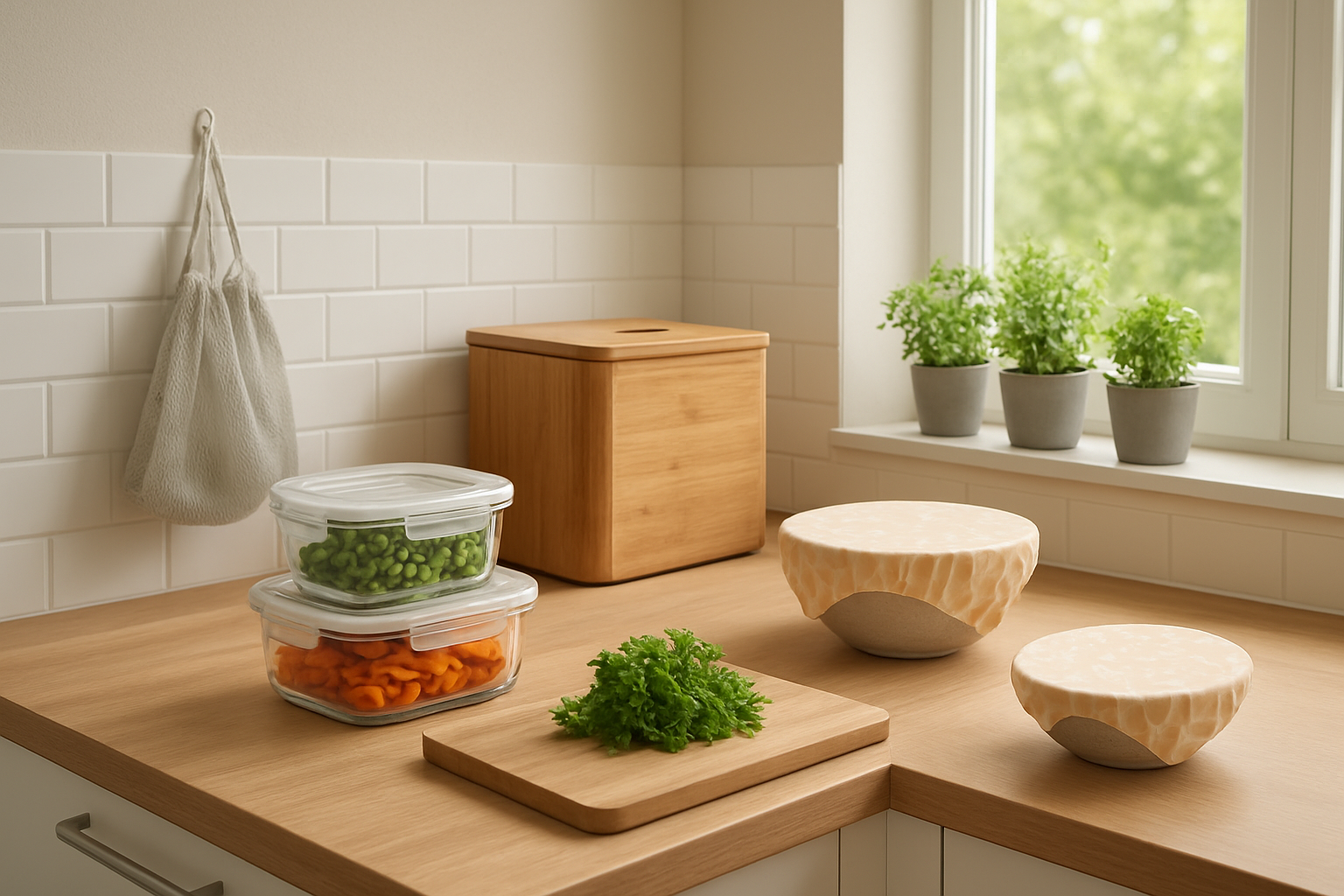
Reusable food wraps made from organic materials
Beeswax wraps and plant-based alternatives are replacing single-use plastic wrap in eco-conscious kitchens. These natural wraps mold to containers and food items using body heat, creating an airtight seal that keeps food fresh. Brands like Bee's Wrap and Abeego use organic cotton infused with beeswax, pine rosin, and jojoba oil to create washable, reusable wraps that last up to a year.
Vegan options use plant-based waxes like candelilla or soy wax for those avoiding animal products. These wraps work exceptionally well for cheese, sandwiches, cut fruits, and covering bowls. They're completely compostable at the end of their life cycle and eliminate hundreds of feet of plastic wrap from your household waste stream.
Herb growing kits that provide fresh ingredients year-round
Hydroponic herb gardens bring fresh basil, cilantro, and parsley to your countertop regardless of season or outdoor growing conditions. Systems like AeroGarden and Click & Grow use LED grow lights and automated watering to produce restaurant-quality herbs in 4-6 weeks. These compact gardens fit easily on kitchen counters and provide continuous harvests for months.
The controlled environment eliminates pesticides while producing herbs with more intense flavors than store-bought options. Most systems include pre-seeded pods and liquid nutrients, making them foolproof for beginners. Growing your own herbs eliminates plastic packaging waste from store-bought herbs that often spoil quickly, while providing ingredients that cost pennies compared to grocery store prices.
Eco-Friendly Home Insulation That Pays for Itself
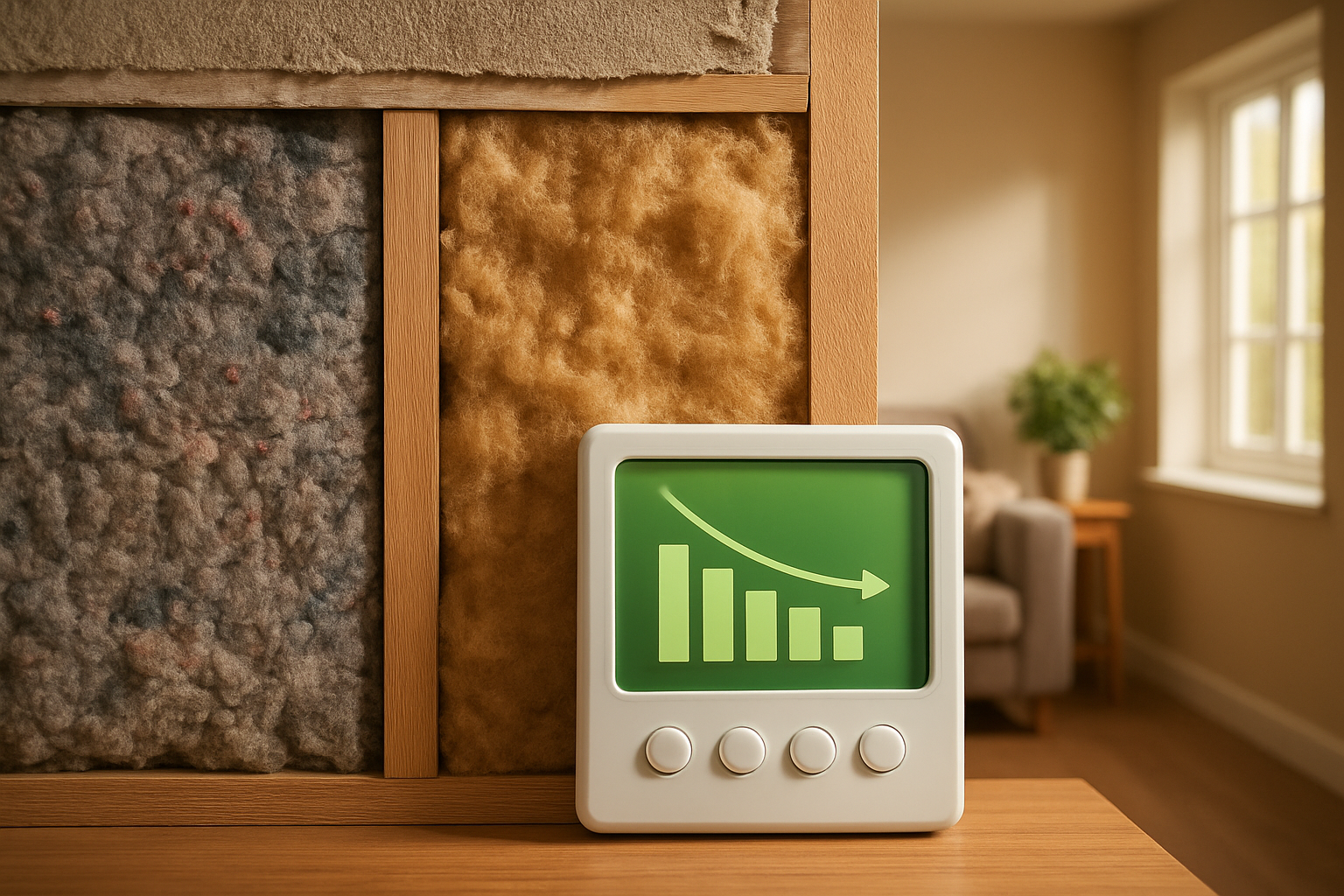
Recycled Denim Insulation That Outperforms Traditional Materials
Recycled denim insulation transforms old jeans into a powerhouse thermal barrier that keeps your home comfortable year-round. Made from post-consumer cotton fibers, this innovative material offers superior R-values compared to traditional fiberglass while being completely safe to handle without protective gear. The cotton fibers naturally resist mold, mildew, and pests, creating a healthier indoor environment for your family.
Installation costs typically run 10-15% higher than fiberglass, but the long-term savings make this investment worthwhile. Homeowners report energy bill reductions of 25-40% within the first year, with the insulation paying for itself in 3-5 years. The material also provides excellent sound dampening, reducing noise transfer between rooms by up to 60%.
Denim insulation lasts 50+ years without settling or degrading, compared to fiberglass which often needs replacement after 15-20 years. The eco-friendly production process diverts thousands of tons of textile waste from landfills annually while requiring 75% less energy to manufacture than traditional options.
Reflective Window Films That Reduce Cooling Costs by 30%
Window films create an invisible barrier that reflects heat while maintaining natural light levels throughout your home. These thin, metallic coatings block up to 85% of solar heat gain, dramatically reducing air conditioning demands during peak summer months. Professional installation typically takes 2-4 hours per home and costs $3-8 per square foot.
The cooling cost savings are immediate and substantial. Most homeowners see their energy bills drop by 30-50% during hot weather, with the investment recovering its cost within 2-3 years. Beyond energy savings, these films protect furniture, carpets, and artwork from harmful UV rays that cause fading and deterioration.
Modern films reject heat without creating the dark, mirror-like appearance of older products. Available in various tints and clarity levels, they maintain your home's aesthetic while improving comfort. The films also strengthen glass, providing added security and storm protection.
Weather Stripping Made from Sustainable Rubber Compounds
Sustainable rubber weather stripping seals air gaps around doors and windows using materials derived from renewable plant sources rather than petroleum-based synthetics. These bio-based compounds maintain flexibility across temperature extremes while offering superior adhesion and longevity compared to traditional options.
Quality weather stripping eliminates drafts that force heating and cooling systems to work overtime. Proper sealing can reduce energy consumption by 15-25%, translating to hundreds of dollars in annual savings for typical homes. The installation process requires basic tools and can be completed in a weekend, making it an accessible DIY project.
Sustainable rubber compounds resist cracking, shrinking, and hardening over time, maintaining their seal for 10-15 years. The materials decompose naturally at end-of-life rather than contributing to landfill waste. Available in various profiles and colors, these strips blend seamlessly with existing door and window frames while providing superior performance.
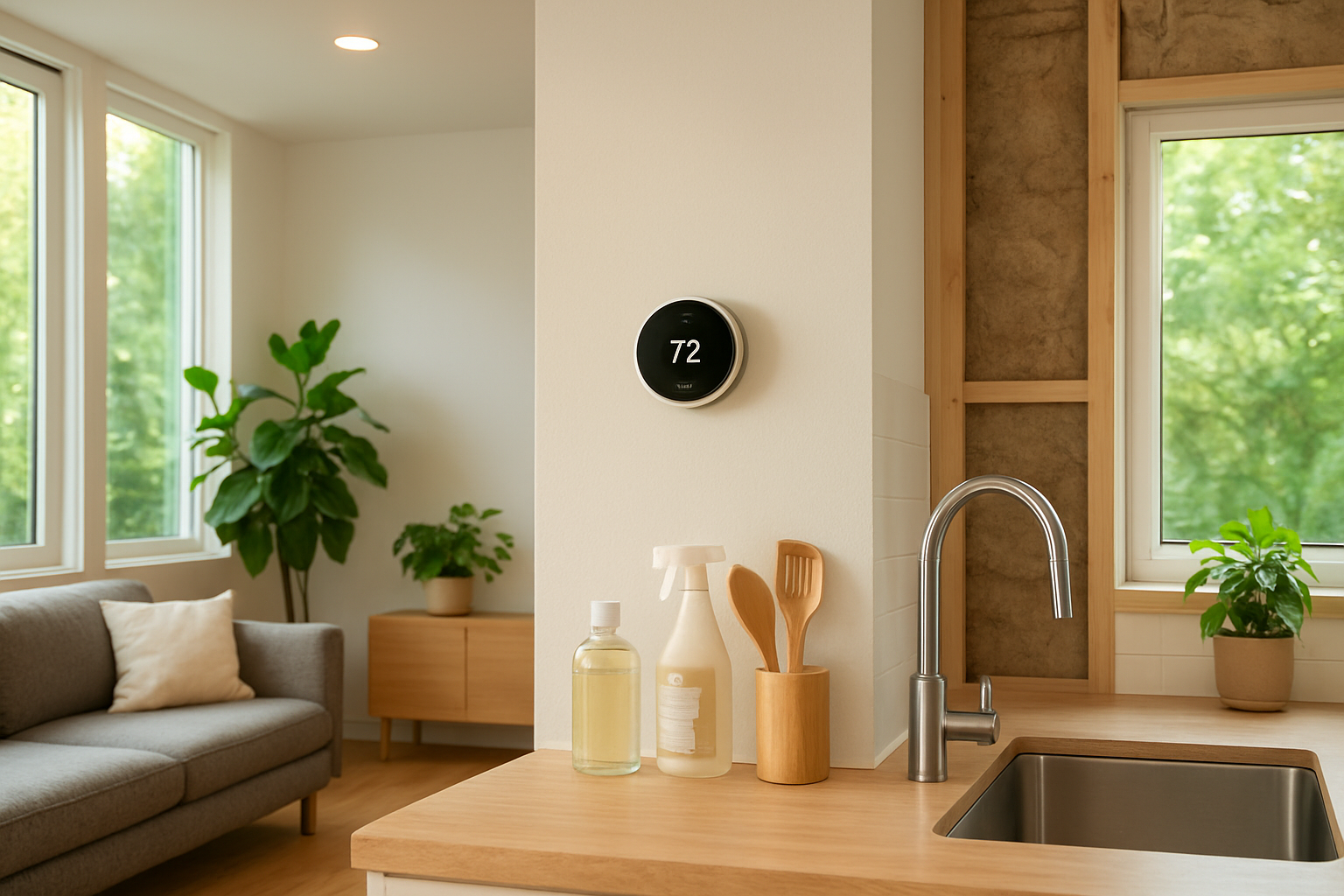
Making your home more eco-friendly doesn't have to be overwhelming or expensive. Smart home systems can cut your energy bills while water-saving devices help reduce waste and monthly costs. Switching to non-toxic cleaners protects your family's health without sacrificing cleaning power, and simple kitchen upgrades can dramatically reduce food waste. Better insulation might require an upfront investment, but it pays for itself through lower heating and cooling costs.
Start small by picking one or two products that fit your budget and lifestyle. Maybe begin with eco-friendly cleaning supplies or a smart thermostat, then gradually add more sustainable solutions as you see the benefits. Your wallet, your family's health, and the planet will thank you for making these simple but powerful changes to your home.