How to Build a Zero-Waste Home on Any Budget
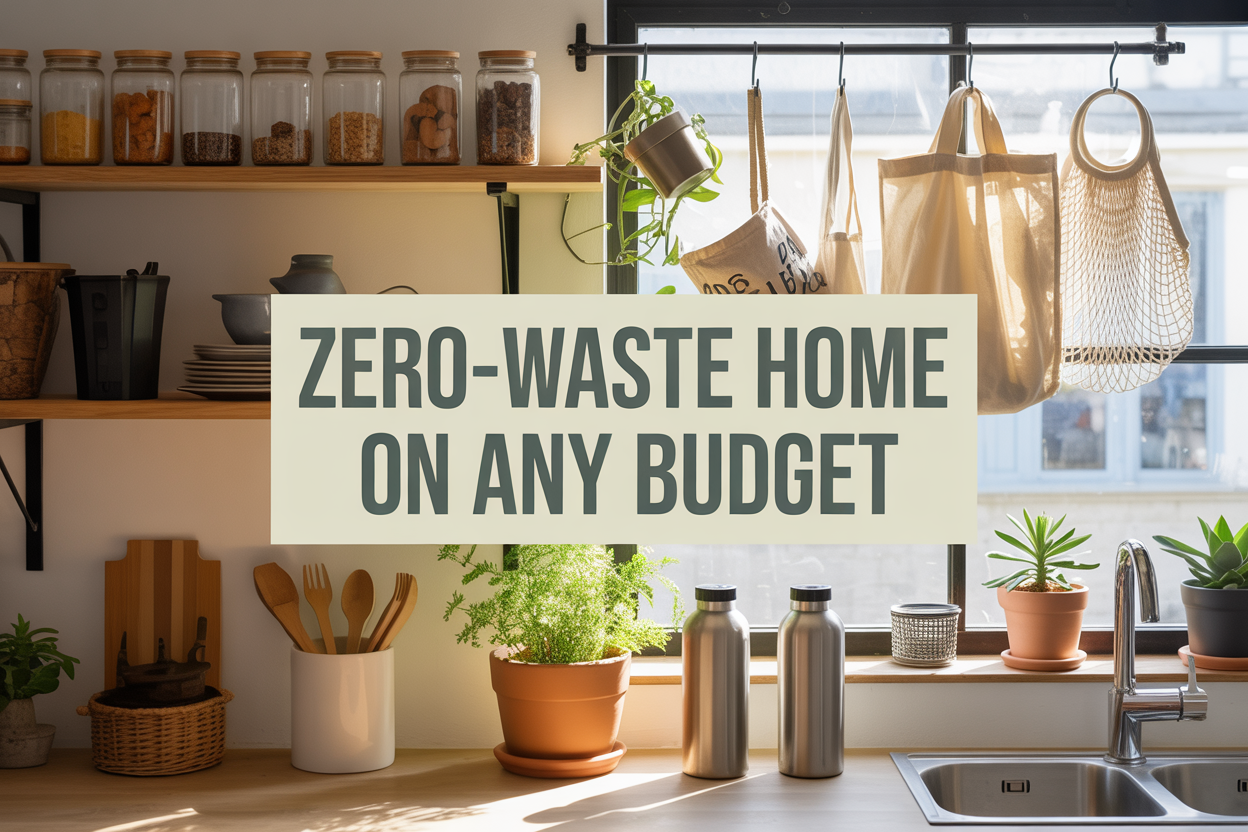
Building a zero-waste home doesn't mean emptying your bank account or throwing out everything you own. This guide is for anyone who wants to reduce household waste while staying within their budget - whether you're a college student, growing family, or anyone looking to live more sustainably without financial stress.
You'll discover that zero-waste living actually saves money over time by reducing unnecessary purchases and maximizing what you already have. We'll walk you through debunking common zero-waste myths that might be holding you back, plus practical strategies for eliminating plastic waste without breaking the bank. You'll also learn how to create a sustainable kitchen on any budget and find budget-friendly eco-cleaning solutions that work just as well as expensive alternatives.
The best part? You can start today using items you probably already have at home.
Debunking Zero-Waste Myths and Building the Right Mindset

Why zero-waste living is actually budget-friendly
Contrary to popular belief, zero-waste living can significantly reduce your household expenses rather than strain your budget. Many people assume that sustainable living requires expensive specialty products and premium eco-friendly brands, but this misconception prevents them from discovering the true financial benefits of zero-waste practices.
The most impactful changes in your zero-waste journey cost absolutely nothing to implement. Simple shifts like reducing overall consumption, refusing unnecessary items, and making mindful purchasing decisions immediately translate to money saved. When you reduce consumption, you naturally buy less and save money that would otherwise be spent on items that may end up unused or quickly discarded.
Sustainable products, while sometimes requiring a higher upfront investment, are specifically designed to last significantly longer than their conventional counterparts. This durability means you'll replace items less frequently, resulting in substantial long-term savings. For example, investing in quality reusable containers, durable cleaning tools, or well-made clothing items eliminates the need for constant replacements that drain your budget over time.
The key is understanding that zero-waste living fundamentally shifts your relationship with consumption from quantity to quality, from disposable to durable, and from impulsive to intentional. This mindset change naturally aligns with budget-conscious living, making zero-waste practices accessible regardless of your financial situation.
Setting realistic and sustainable goals
Creating lasting change in your zero-waste journey requires a strategic approach that prioritizes progress over perfection. Setting realistic and sustainable goals is crucial for preventing discouragement and maintaining momentum throughout your transformation.
The most effective strategy involves setting achievable goals that build naturally on each other. Rather than attempting to overhaul your entire lifestyle overnight, focus on implementing one sustainable practice at a time. Start with one specific area or habit, and only move to the next change once you feel comfortable and confident with your current progress. This methodical approach prevents overwhelm and burnout while ensuring that each new habit becomes deeply ingrained before adding additional challenges.
This gradual implementation strategy creates a foundation for lasting changes rather than temporary enthusiasm that quickly fades. When you rush to adopt multiple practices simultaneously, you risk feeling overwhelmed and eventually abandoning your zero-waste goals entirely. By contrast, focusing on one change at a time allows you to fully understand and integrate each practice into your daily routine.
Remember that sustainable goal-setting acknowledges your unique circumstances, schedule, and limitations. Your zero-waste journey should enhance your life rather than create additional stress or financial strain. Building achievable milestones creates positive momentum and confidence that carries you forward to more ambitious sustainable practices as your comfort level and expertise grow.
Eliminating Plastic Waste Without Breaking the Bank
Switching to Reusable Containers for Storage
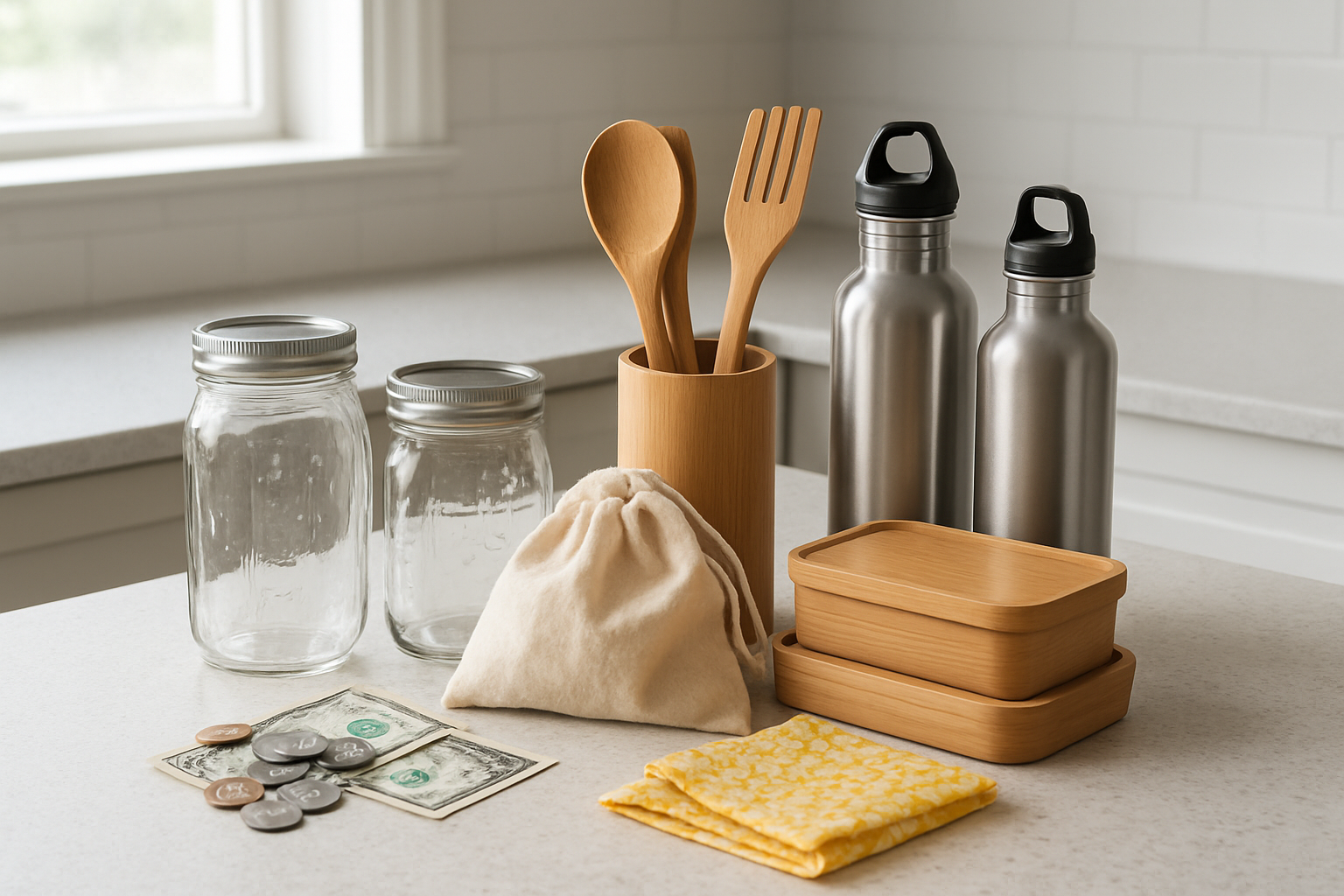
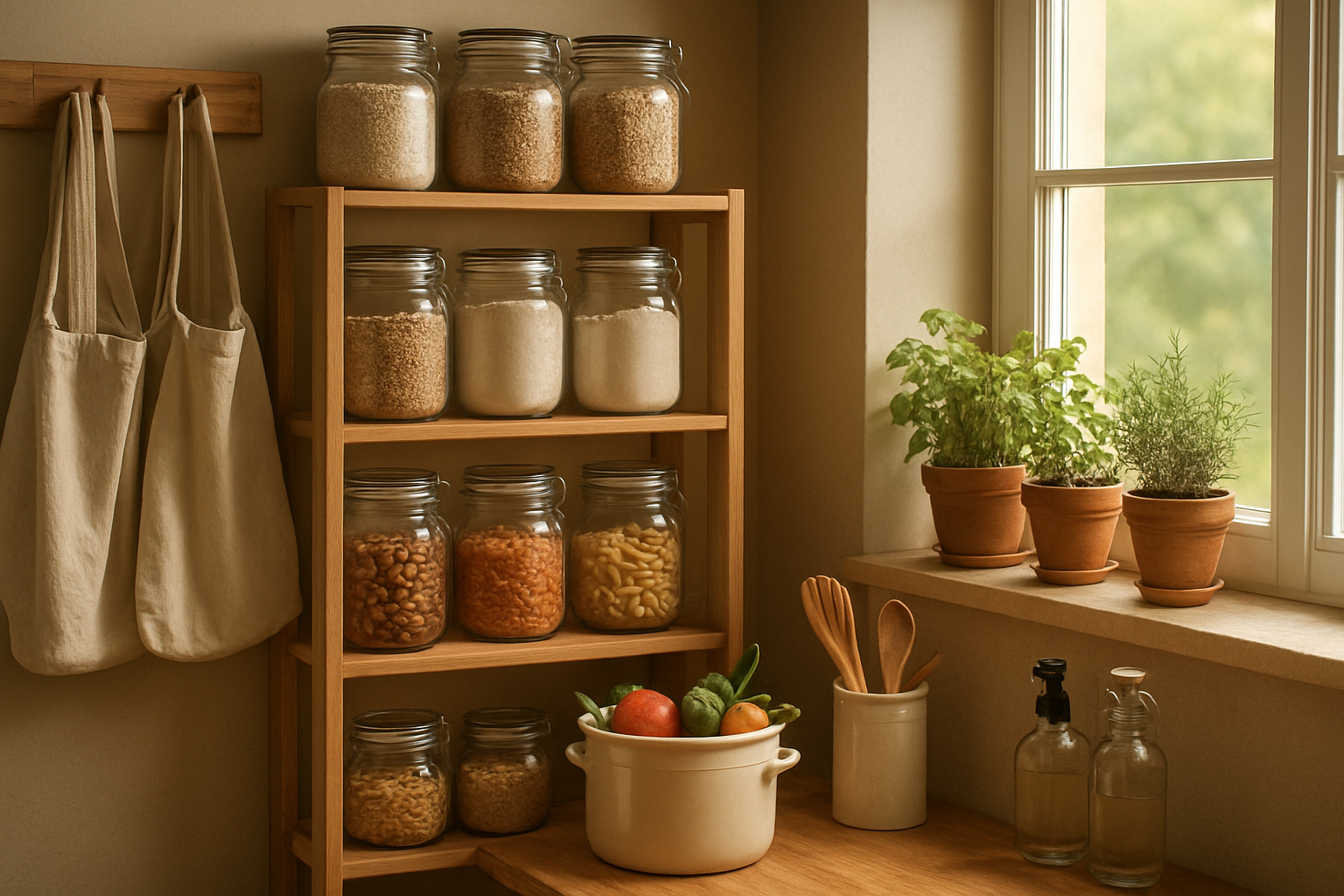
Reaching for plastic baggies is convenient, but reusable containers are just as convenient, reduce waste, and save money over time. This simple swap represents one of the most practical and immediately impactful changes you can make when transitioning to zero-waste living without straining your budget.
The convenience factor of reusable containers often surprises people who've relied on single-use plastic bags for years. Unlike disposable options that require constant repurchasing, quality reusable containers serve multiple purposes and can last for years with proper care. They're perfect for organizing various items throughout your home, storing leftovers and meal prep ingredients in your kitchen, and packing lunches for work or school.
From a financial perspective, the initial investment in reusable containers pays for itself quickly. While a box of plastic bags might seem cheaper upfront, the ongoing cost of replacement adds up significantly over months and years. Quality reusable containers eliminate this recurring expense entirely, making them a smart long-term investment for budget-conscious households.
The versatility of reusable containers extends far beyond food storage. Use them to organize craft supplies, keep bathroom essentials tidy, store seasonal decorations, or pack toiletries for travel. Glass containers work excellently for food storage and can transition seamlessly from refrigerator to microwave or oven. Plastic reusable containers, while not perfect from an environmental standpoint, still represent a massive improvement over single-use alternatives when chosen wisely and used for their full lifespan.
When selecting reusable containers, prioritize durability and functionality over aesthetics. Look for containers with secure, leak-proof lids and consider your specific storage needs before purchasing.
Creating a Sustainable Kitchen on Any Budget
Reducing Food Waste Through Smart Shopping and Meal Prep
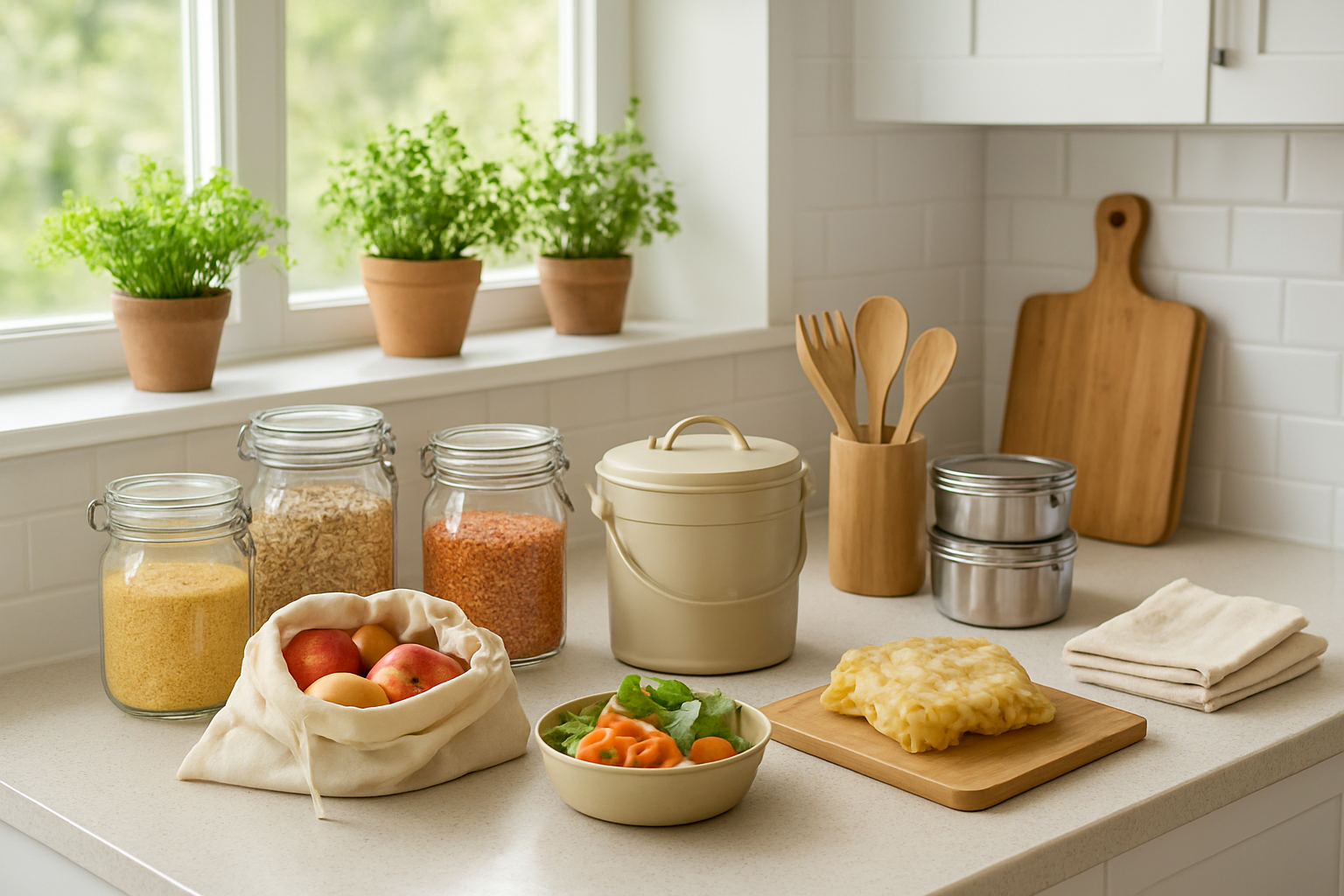
Wasted food represents a significant threat to both environmental sustainability and your household budget. The solution lies in implementing strategic shopping and meal preparation techniques that maximize food utilization while minimizing waste.
Start by creating detailed shopping lists before heading to the store. This simple practice prevents impulse purchases and ensures you only buy what you actually need. When you shop with intention, you're far less likely to accumulate items that will eventually spoil in your pantry or refrigerator.
Meal prepping significantly increases the likelihood of consuming all purchased food items. By dedicating time to prepare meals in advance, you create a structured eating plan that prevents ingredients from languishing unused. This approach not only reduces waste but also saves valuable time during busy weekdays.
Transform leftovers into exciting new meals through creative cooking techniques. Yesterday's roasted vegetables can become today's soup base, while leftover rice transforms into fried rice or stuffing. This creative approach ensures every ingredient serves multiple purposes throughout the week.
Proper food storage extends the lifespan of your groceries significantly. Learning optimal storage conditions for different foods—keeping potatoes in dark, cool places, storing herbs like flowers in water, or understanding which fruits and vegetables should be refrigerated—can add days or even weeks to food freshness.
Starting a Simple Composting System
Composting often intimidates newcomers to zero-waste living, but the reality is far simpler than most people imagine. This natural process transforms kitchen scraps into nutrient-rich soil amendment while dramatically reducing household waste output.
The beauty of composting lies in its accessibility—you don't need expensive equipment or extensive knowledge to begin. Many DIY compost bin resources are readily available, offering step-by-step guidance for creating effective composting systems using materials you likely already possess.
A basic composting setup requires minimal investment but delivers substantial environmental returns. By diverting organic waste from landfills, you're preventing the release of methane gas, a potent greenhouse gas that contributes to climate change. Simultaneously, you're creating valuable compost that enriches soil and supports plant growth.
Start small with kitchen scrap collection in a countertop container, then graduate to outdoor bins or tumbler systems as your confidence grows. The key is consistency rather than complexity—even simple composting methods yield impressive waste reduction results.
Cooking at Home to Reduce Packaging Waste
Home cooking represents one of the most effective strategies for eliminating packaging waste while maintaining budget-friendly meal practices. Restaurant meals and takeout orders typically generate substantial plastic waste through containers, utensils, and packaging materials.
When you prepare meals in your own kitchen, you eliminate single-use containers and unnecessary packaging entirely. This practice significantly reduces your household's plastic consumption while providing greater control over ingredient quality and portion sizes.
For those new to cooking, focus on mastering a few reliable staple recipes rather than attempting complex culinary experiments. Simple dishes like pasta with vegetables, stir-fries, or basic soups require minimal ingredients and techniques while delivering satisfying, waste-free meals.
The budget benefits of home cooking extend beyond waste reduction. Preparing meals at home typically costs significantly less than restaurant alternatives while offering superior nutritional value and customization options for dietary preferences or restrictions.
Maximizing What You Already Own

Learning basic repair and mending skills
Now that we've established the foundation for zero-waste living, let's focus on one of the most impactful ways to reduce waste while saving money: learning to repair and mend what you already own. Instead of automatically throwing away and replacing items when they break or wear out, developing basic repair skills can dramatically extend the lifespan of your belongings while keeping money in your pocket.
The beauty of repair and mending lies in its dual benefit – you're simultaneously reducing your environmental impact and stretching your budget. When something breaks, your first instinct should be to assess whether it can be fixed rather than immediately seeking a replacement. This mindset shift alone can save you hundreds of dollars annually while preventing countless items from ending up in landfills.
Learning to sew represents one of the most valuable skills you can develop for zero-waste living. Basic sewing techniques allow you to address common clothing issues like torn seams, loose hems, or missing buttons. A simple needle and thread can rescue a favorite shirt or pair of pants that might otherwise be discarded. Even if you've never sewn before, mending tears or replacing buttons requires only fundamental stitching knowledge that can be learned through online tutorials or community workshops.
The investment in learning these skills pays dividends over time. A small sewing kit costs less than replacing a single garment, yet it can repair dozens of items throughout its lifetime. Beyond clothing, basic sewing skills extend to household items like curtains, pillows, and upholstery, multiplying your potential savings.
Don't limit yourself to textile repairs. Basic household maintenance skills – like tightening loose screws, replacing worn gaskets, or cleaning clogged drains – can prevent the need for costly replacements or professional services. These skills require minimal tool investment but offer maximum return through extended product life and reduced waste generation.
Smart Shopping Strategies for Zero-Waste Living
Organizing Clothing and Item Swaps
With this in mind, next, we'll explore one of the most effective and budget-friendly strategies for maintaining a zero-waste lifestyle: organizing clothing and item swaps. This approach creates a powerful network where your unwanted items find new life with others who truly need them.
Start by connecting with friends, family, or neighbors to arrange regular swaps of clothing, household items, or other supplies. The beauty of this system lies in its simplicity—everyone brings items they no longer use, and everyone leaves with something fresh and useful. This creates a fun, social atmosphere while giving items a second life and fostering deeper connections with others in your community.
To organize successful swaps, establish clear guidelines about item quality and categories. Focus on gently used clothing, kitchen gadgets, books, home décor, or children's items. Create an inviting space where participants can easily browse and try on items. Consider hosting seasonal swaps—spring clothing exchanges, holiday decoration swaps, or back-to-school supply trades.
The environmental impact of these exchanges is significant. By participating in regular swaps, you're actively preventing items from entering landfills while reducing demand for new products. This collaborative approach demonstrates how zero-waste living doesn't require individual sacrifice but rather community cooperation that benefits everyone involved.
Buying Only What You Truly Need
Now that we've covered the power of swapping, let's examine the fundamental principle that underpins all sustainable shopping: buying only what you truly need. This mindset shift represents the cornerstone of zero-waste living and offers the most direct path to reducing both consumption and expenses.
The key to successful need-based purchasing lies in developing a genuine understanding of necessity versus desire. Before making any purchase, implement a waiting period—perhaps 24 hours for smaller items or a week for larger purchases. This pause allows you to evaluate whether the item serves a real purpose in your life or simply appeals to momentary impulses.
Focus your purchasing power exclusively on sustainable products that last. Quality over quantity becomes your guiding principle, as durable items reduce the need for frequent replacements and ultimately save money over time. When you do need to buy something new, research products known for longevity and repairability.
This approach to conscious consumption naturally decreases waste while simultaneously saving money. By eliminating impulse purchases and focusing only on genuine needs, you'll discover that your expenses drop significantly. The money saved can then be invested in higher-quality, sustainable alternatives that serve you better and longer, creating a positive cycle of mindful consumption that supports both your budget and environmental goals.
Leveraging Local Resources and Community

Finding Bulk Stores and Compost Centers in Your Area
Now that we have covered ways to maximize what you already own and implement smart shopping strategies, it's time to explore how your local community can become your greatest asset in achieving zero-waste living. One of the most effective ways to reduce packaging waste and support sustainable practices is by identifying and utilizing bulk stores and compost centers in your immediate area.
Bulk stores represent a cornerstone of zero-waste shopping, allowing you to purchase exactly the quantities you need while bringing your own containers to eliminate packaging waste entirely. These establishments typically offer a wide range of products including grains, legumes, nuts, seeds, spices, cleaning supplies, and personal care items. To locate bulk stores in your area, start by researching online directories, checking with local health food stores, and asking at farmers' markets. Many conventional grocery stores also have bulk sections that you might have overlooked.
Compost centers serve as vital infrastructure for closing the loop on organic waste, transforming your food scraps into nutrient-rich soil amendments. Municipal compost programs are increasingly common, but you may also find privately operated facilities or community-based composting initiatives. Contact your local waste management department to inquire about available composting services, or search online for "compost centers near me" to discover options in your vicinity.
Additionally, growers' co-ops present excellent opportunities to access fresh, local produce while supporting sustainable agricultural practices. These cooperative arrangements often provide members with seasonal shares of locally grown fruits and vegetables, reducing transportation emissions and packaging waste associated with conventional grocery shopping. Research community-supported agriculture (CSA) programs and agricultural cooperatives in your region to find options that align with your zero-waste goals and budget constraints.
Building a zero-waste home doesn't require a massive budget overhaul or perfect execution from day one. As we've explored throughout this guide, sustainable living is about making conscious choices with what you already have, embracing imperfection, and focusing on progress over perfection. From debunking common myths about expensive eco-products to discovering budget-friendly cleaning solutions and maximizing your existing belongings, every small step contributes to meaningful environmental impact while often saving you money in the long run.
The truth is that zero-waste living can actually benefit your wallet through reduced consumption, bulk buying strategies, and choosing durable items that last longer. By leveraging local resources, building community connections, and implementing the 5 R's (Refuse, Reduce, Reuse, Recycle, Rot), you're not just creating a more sustainable home—you're developing a mindset that values conscious consumption over mindless buying. Start where you are, use what you have, and remember that your journey toward zero waste is unique to your circumstances and budget. Every sustainable swap and mindful choice you make today creates a ripple effect for a better tomorrow.