10 Eco Swaps That Cut Your Carbon Footprint in Half
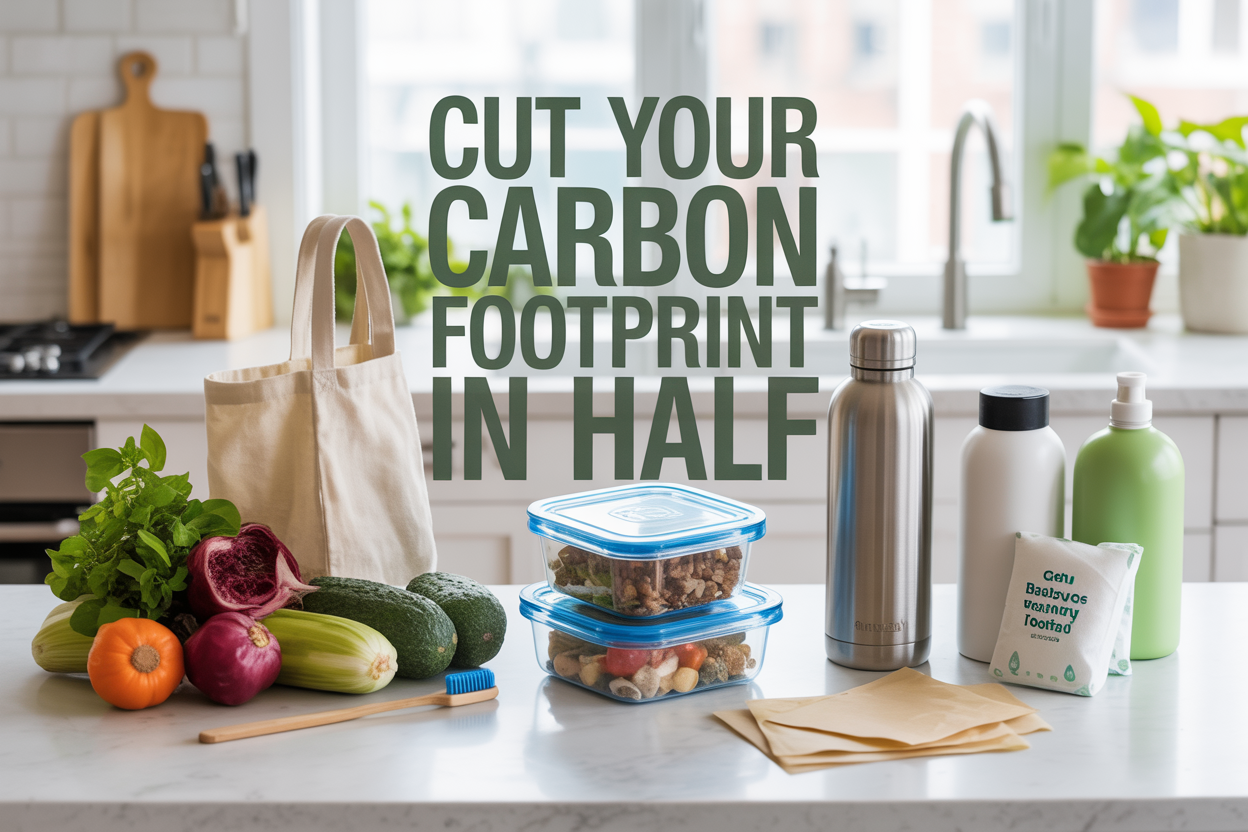
Small changes make a big difference when it comes to reducing your environmental impact. If you're feeling overwhelmed by climate change but want to take meaningful action, these 10 eco swaps can cut your carbon footprint in half without turning your life upside down.
This guide is for everyday people who want to help the planet while saving money and simplifying their routines. You don't need to buy expensive equipment or completely change your lifestyle—just make smart switches that add up to real results.
We'll show you how to replace single-use items with reusable alternatives that pay for themselves over time. You'll also discover simple ways to optimize your home energy usage that can slash your utility bills. Finally, we'll cover smarter food and laundry choices that reduce waste and actually make your daily routine easier.
Replace Single-Use Items with Reusable Alternatives

Switch from plastic water bottles to filtered tap water and reusable bottles
Bottled water represents one of the most unnecessary environmental burdens in modern consumption habits. The production and transportation of these flimsy bottles requires a massive amount of oil, creating an enormous carbon footprint for something that's readily available from your tap. Americans purchase billions of water bottles annually, despite having access to clean, safe tap water in most regions of the country. This wasteful cycle not only drains your wallet but also contributes significantly to plastic pollution and greenhouse gas emissions.
The solution is remarkably simple and cost-effective: invest in a quality water filter for your tap and pair it with a durable reusable bottle. This combination eliminates the need for single-use plastic bottles while ensuring you have access to clean, filtered water wherever you go. The initial investment in these items pays for itself within weeks, and the environmental impact reduction is immediate and substantial.
Use reusable coffee mugs instead of disposable cups for daily savings
Your daily coffee habit might be contributing more to landfill waste than you realize. Most paper coffee cups contain a plastic lining that makes them completely non-recyclable, meaning every cup you use ends up permanently in a landfill. This seemingly small daily choice accumulates into mountains of waste when multiplied across millions of coffee drinkers.
Switching to a reusable mug offers both environmental and financial benefits. Many coffee shops recognize this eco-conscious choice and offer small discounts to customers who bring their own cups. This dual advantage means you're simultaneously saving money and reducing waste with every coffee purchase. The simple act of carrying a reusable mug transforms your daily routine into an environmentally responsible habit.
Choose durable products over fast fashion to reduce textile waste
Fast fashion operates on a business model built entirely on waste, with clothing designed to be disposable after just a few wears. This approach has created an avalanche of textile waste that's overwhelming our waste management systems. The United States alone generates approximately 17 million tons of textile waste annually, with most of these discarded clothes ending up in landfills where they decompose slowly and release harmful chemicals.
Breaking free from this wasteful cycle requires embracing "slow fashion" principles or exploring thrift store alternatives. Durable, well-made clothing not only lasts significantly longer but also reduces the demand for resource-intensive manufacturing processes. Thrift stores offer an excellent opportunity to find quality pieces while keeping existing clothes out of landfills, creating a circular economy that benefits both your wardrobe and the environment.
Make Smarter Food and Laundry Choices

Reduce red meat consumption with Meatless Mondays and chicken substitutions
Red meat production stands as one of the most resource-intensive food systems on our planet, demanding massive amounts of water and land while serving as a significant source of methane emissions. The environmental impact is staggering, making dietary adjustments one of the most powerful tools in your carbon reduction arsenal.
Implementing "Meatless Mondays" provides an accessible entry point for reducing your environmental impact. This simple weekly commitment removes red meat from your diet for just one day, yet when multiplied across households, creates substantial change. For those not ready to eliminate meat entirely, substituting beef with chicken offers another effective strategy that significantly reduces your carbon footprint while maintaining protein intake.
The numbers speak volumes about the potential impact of these dietary shifts. A 25% reduction in U.S. meat consumption could reduce greenhouse gas emissions by an impressive 82 million metric tons annually. This reduction demonstrates how individual food choices, when adopted widely, translate into meaningful environmental benefits that extend far beyond personal health considerations.
Wash clothes in cold water to save 90% of washing machine energy
Your washing machine harbors a hidden energy secret that most households overlook. Approximately 90% of your washing machine's energy consumption goes toward heating water, making this single adjustment one of the most impactful changes you can implement in your laundry routine.
Modern detergents have evolved significantly, with formulations specifically designed to work effectively in cold water. This technological advancement means you can achieve the same cleaning power while dramatically reducing energy consumption. Cold water washing delivers multiple benefits beyond energy savings: it extends clothing life by reducing fiber breakdown, minimizes color bleeding that can ruin garments, and maintains fabric integrity over time.
The transition to cold water washing requires no additional investment in equipment or supplies—simply adjusting your washing machine settings creates immediate energy savings that compound with every load.
Buy secondhand clothing to keep textiles out of landfills
The textile industry generates an alarming environmental burden that extends far beyond production. The U.S. alone generates approximately 17 million tons of textile waste annually, with much of this waste ending up in landfills where synthetic materials can persist for decades.
Buying secondhand clothing directly addresses this waste stream by giving textiles a new life and preventing them from entering landfills prematurely. This practice creates a circular economy where quality garments continue serving their purpose across multiple owners, maximizing the value extracted from the resources invested in their production.
Secondhand shopping offers the dual benefit of reducing environmental impact while often providing access to higher-quality garments at lower prices, making sustainable fashion choices economically advantageous.

Making these eco swaps doesn't require a complete lifestyle overhaul or expensive investments. From replacing single-use water bottles and coffee cups with reusable alternatives, to switching LED lightbulbs and adjusting your thermostat by just a few degrees, these small changes create significant environmental impact. Simple shifts in your food choices—like participating in Meatless Mondays—and laundry habits such as washing in cold water can dramatically reduce your carbon footprint while often saving you money.
The goal isn't perfection; it's getting started. These ten swaps prove that you hold more power than you think in the fight against climate change. Small changes really do add up to make a significant difference, and the best part is that many of these eco-friendly choices will put money back in your pocket through reduced utility bills and smarter consumption habits.