How to Make Your Home 100% Eco-Friendly on Any Budget

Making your home 100% eco-friendly doesn't have to drain your bank account or require a complete renovation. This guide is for homeowners and renters who want to reduce their environmental impact while saving money on utility bills and living expenses.
Small changes add up to big savings. You can slash energy costs, conserve water, and create a healthier living space with simple swaps and smart habits that cost little upfront but pay dividends over time.
We'll show you how to cut energy bills with simple temperature control solutions that work in any season. You'll discover strategic home sealing techniques that eliminate energy waste through gaps and drafts you didn't even know existed. We'll also cover smart water conservation methods that can save hundreds of gallons monthly, plus practical ways to transform your kitchen into an eco-friendly money-saver.
Ready to start saving money while helping the planet? Let's dive into budget-friendly changes that make your home greener from top to bottom.
Cut Energy Bills with Simple Temperature Control Solutions

Harness Natural Ventilation and Cross-Breeze Cooling
Strategic window management can dramatically reduce your reliance on energy-consuming cooling systems. Open doors and windows during evening and early morning hours to naturally cool your home when outdoor temperatures drop. This simple practice allows cool air to circulate throughout your living space without any electricity costs.
Creating effective cross-ventilation amplifies this cooling effect significantly. Open windows at opposite sides of your home to establish airflow patterns that naturally circulate air throughout the space. This technique maximizes the cooling potential of natural breezes and helps maintain comfortable temperatures well into the warmer parts of the day.
Maximize Ceiling Fan Efficiency to Reduce AC Dependence
Ceiling fans offer an exceptionally cost-effective cooling solution that requires minimal electricity while delivering substantial comfort improvements. These fixtures provide effective cooling with minimal energy consumption, allowing you to feel cooler without necessarily lowering the actual room temperature. This perceived cooling effect reduces the workload on your air conditioning system, ultimately lowering overall energy consumption.
The cooling impact of properly utilized ceiling fans is remarkable—they can make a room feel up to four degrees cooler than the actual temperature. This temperature differential significantly reduces the need for air conditioning, as occupants feel comfortable at higher thermostat settings. By strategically using ceiling fans throughout your home, you can maintain comfort while dramatically cutting cooling costs.
Install Smart Thermostats for Automated Energy Savings
Smart thermostats represent one of the most impactful investments for long-term energy savings. These devices can save you an estimated 10% on energy costs each year by offering complete control over temperatures 24/7, even when you're not home. This continuous optimization ensures your heating and cooling systems operate only when necessary.
Programming smart thermostats to automatically regulate to higher temperatures when you're away from home prevents unnecessary air conditioner operation during vacant hours. Many advanced models include options to lower usage during peak energy demand times, further reducing consumption and saving money on utility bills.
Programmable thermostats provide similar benefits by allowing automatic temperature adjustments based on your daily schedule, ensuring optimal efficiency without sacrificing comfort.
Optimize Your Refrigerator Settings and Placement
Proper refrigerator management can significantly impact your energy consumption. Optimize your refrigerator's performance by maintaining temperatures between 37 and 40 degrees Fahrenheit, while keeping your freezer between 0 and 5 degrees. Setting appliances just 10 degrees colder than necessary can increase energy consumption by up to 25%, making temperature accuracy crucial for efficiency.
Regular maintenance ensures optimal performance. Test your refrigerator door seal by closing a dollar bill between the rubber gasket and the frame—if it pulls out easily, the seal may need replacing, as compromised seals force the unit to work harder.
Strategic placement maximizes efficiency. Relocate your refrigerator away from heat sources like direct sunlight or your range, as refrigerators use up to 2.5% more power for each degree the surrounding temperature exceeds 70 degrees. This simple repositioning can yield substantial long-term energy savings.
Eliminate Energy Waste Through Strategic Home Sealing
Add Attic Insulation to Regulate Home Temperature
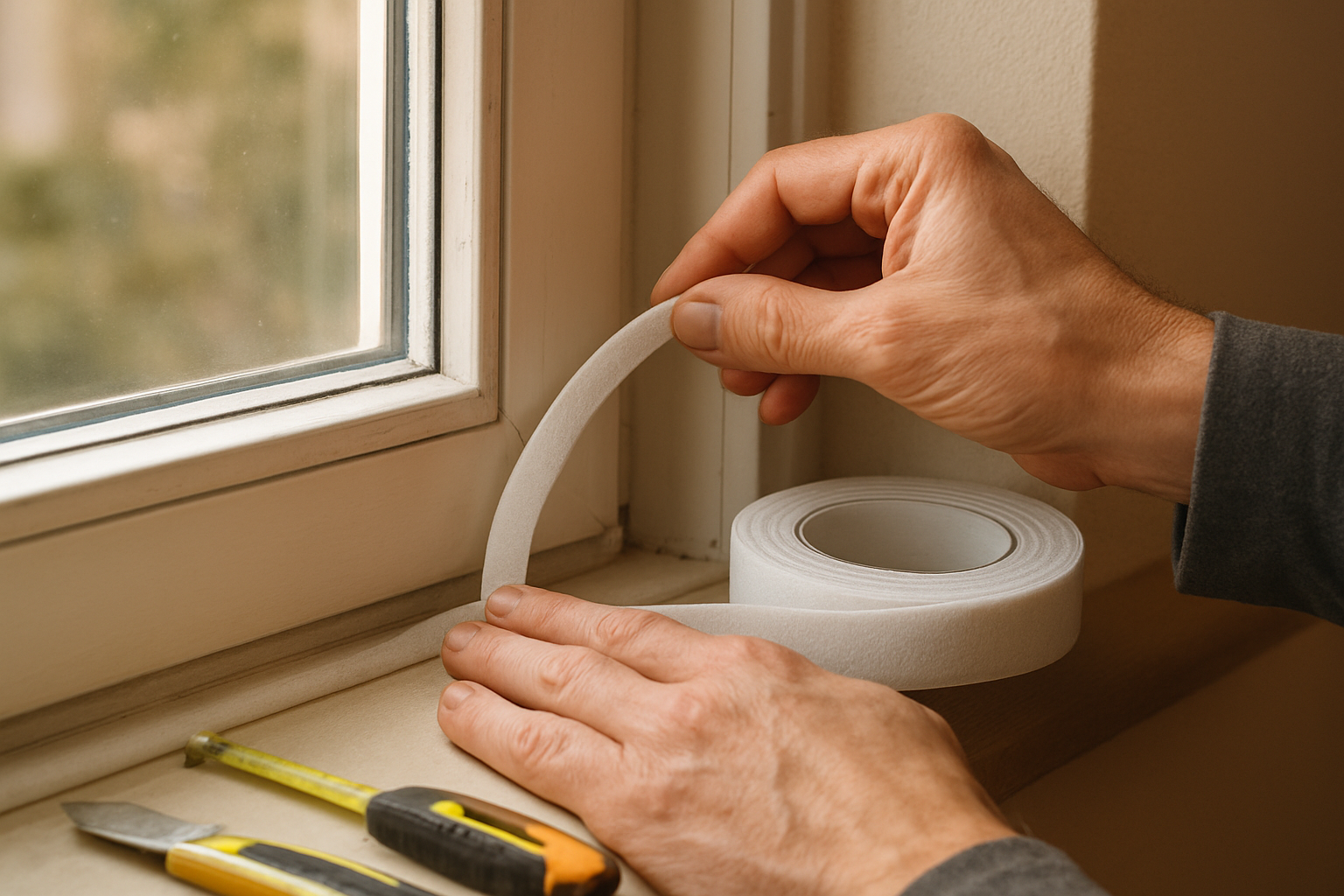
Adding more insulation to your attic essentially adds a seal or lid over your home to keep temperatures more regulated, benefiting efficiency year-round. This strategic approach creates a thermal barrier that prevents heated or cooled air from escaping through your roof, which is one of the primary sources of energy loss in most homes.
The attic acts as the gateway between your living space and the outdoors, making it a critical area for maintaining consistent indoor temperatures. When properly insulated, your attic prevents the costly cycle of continuously heating or cooling air that would otherwise escape through inadequate barriers. This regulation means your HVAC system works less frequently and more efficiently, directly translating to lower energy bills regardless of the season.
During winter months, proper attic insulation keeps warm air from rising and escaping through the roof, while in summer, it prevents hot outdoor air from penetrating your living space. This year-round benefit makes attic insulation one of the most cost-effective investments for long-term energy savings and environmental impact reduction.
Use Power Strips to Stop Energy Vampire Electronics
Use power strips throughout your home to reduce power when electronics are not in use, as many continue to draw power even when turned off, earning them the nickname "Energy Vampires." These phantom loads can account for a significant portion of your monthly electricity bill, making power strips an essential tool for eco-friendly energy management.
Plug electronics into power strips and switch off the power strip when not in use to eliminate standby power consumption completely. This simple action cuts off all electricity flow to devices that would otherwise continue drawing power for features like instant-on capabilities, digital displays, and remote control sensors.
Effective Power Strip Strategies:
-
Group related electronics together on single strips (entertainment centers, computer workstations, kitchen appliances)
-
Position power strips in easily accessible locations for convenient switching
-
Label strips to identify which devices they control
-
Create household routines around turning off strips before bed or leaving home
Smart power strips automatically cut power to devices in standby mode, reducing phantom energy use without requiring manual intervention. These advanced strips detect when primary devices are turned off and automatically disconnect power to associated peripherals, providing seamless energy vampire elimination while maintaining convenience for busy households.
Save Water and Money with Smart Conservation Techniques
Detect and Fix Household Leaks Before They Cost You
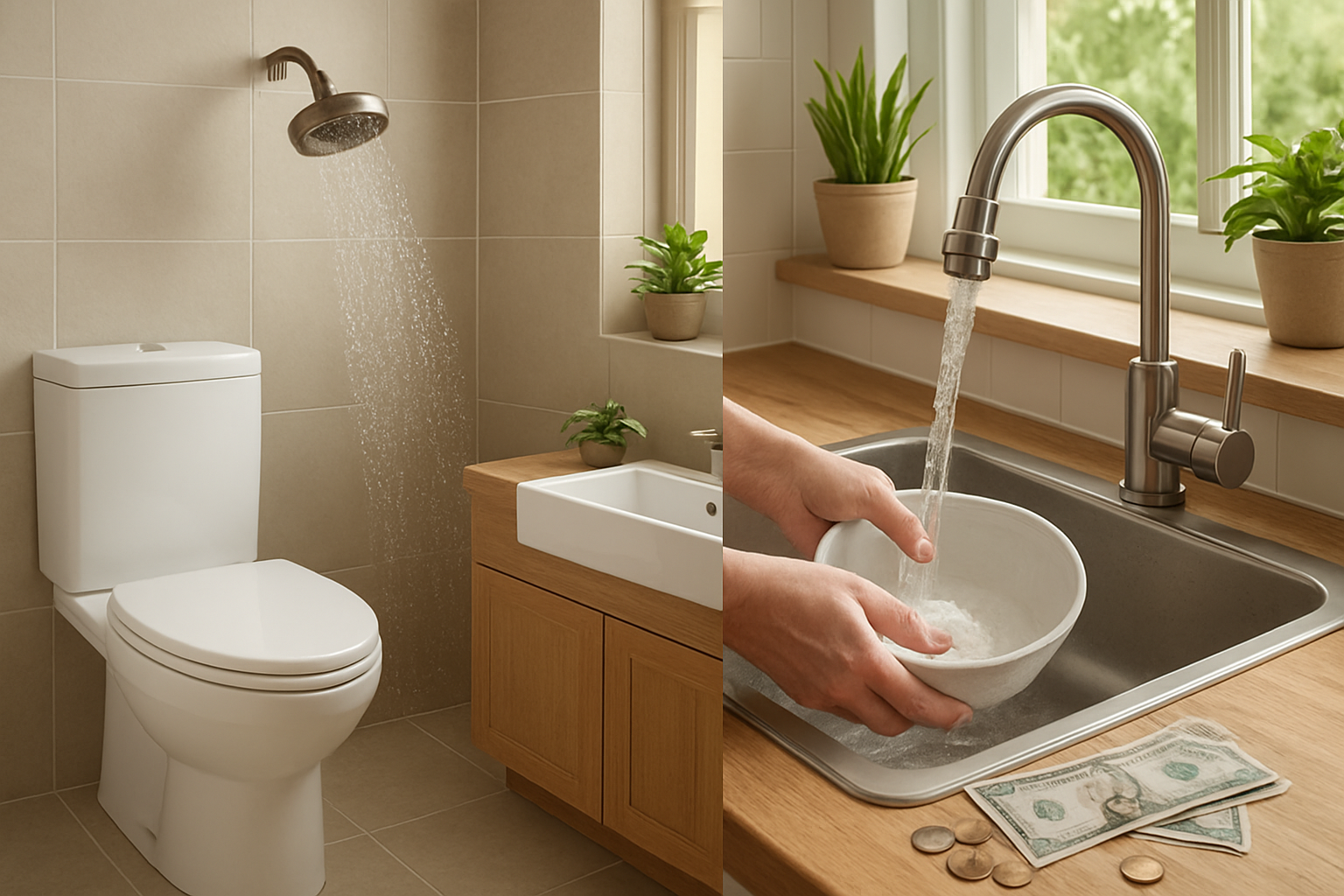
Previously, I've covered temperature control and home sealing techniques, and now we'll explore how water conservation can dramatically reduce your utility costs while protecting our environment. Water leaks represent one of the most significant yet overlooked sources of waste in most homes, often going undetected for months while silently draining both your wallet and precious water resources.
The most effective starting point is conducting a comprehensive toilet leak assessment. Add several drops of food coloring to your toilet tank and wait two hours without flushing. If color appears in the bowl after this period, you likely have a leak that requires immediate attention. This simple test can reveal hidden problems that waste hundreds of gallons monthly.
Next, systematically inspect all faucets and visible pipes throughout your home. A single drip per second from a leaky faucet or pipe can waste up to 5 gallons of water daily, accumulating to an astounding 1,800 gallons annually. This seemingly minor issue can add significant costs to your water bill over time.
Fortunately, many leak repairs are surprisingly straightforward and budget-friendly. Often, fixing a leak is as simple as replacing a washer or other small component. These inexpensive parts, typically costing just a few dollars, can save hundreds of gallons of water and substantial money on utility bills when properly installed.
Lower Water Heater Temperature to Save Energy
With leak detection addressed, we can focus on optimizing your water heating efficiency. Set your water heater to 120 degrees Fahrenheit instead of the standard 140 degrees to save energy and reduce mineral buildup in your tank. This adjustment provides perfectly adequate hot water for all household needs while reducing energy consumption significantly.
This temperature reduction offers multiple benefits beyond immediate energy savings. Lower temperatures extend your water heater's lifespan by minimizing mineral deposits and reducing system stress. Additionally, 120 degrees provides optimal safety levels, reducing scalding risks while maintaining sufficient heat for effective cleaning and sanitation.
Transform Your Kitchen into an Eco-Friendly Money-Saver

Minimize Food Waste Through Smart Meal Planning
Now that we've covered energy conservation strategies, let's examine how strategic meal planning can dramatically reduce both food waste and grocery expenses. The foundation of an eco-friendly kitchen starts with intelligent purchasing decisions that prevent overbuying and subsequent waste.
Planning your meals before shopping creates a clear roadmap for your weekly food consumption. When you shop with a comprehensive list based on planned meals, you eliminate impulse purchases that often lead to forgotten items spoiling in your refrigerator. This systematic approach ensures every ingredient has a designated purpose, significantly reducing the likelihood of food ending up in the trash.
Transform yesterday's dinner into today's lunch by repurposing leftovers creatively. This practice extends the lifecycle of your food purchases while providing convenient, cost-effective meal solutions. Consider how roasted vegetables can become tomorrow's soup base, or how grilled chicken can transform into sandwich filling or salad protein.
Take your waste reduction efforts further by starting a composting system for unavoidable food scraps. Food scraps that would typically contribute to landfill waste can be converted into nutrient-rich soil for your garden. This closed-loop approach not only eliminates waste but also provides free, high-quality fertilizer for growing your own produce, creating additional savings while supporting your home's ecosystem.
Create Natural Cleaning Products from Household Items
Previously, I've discussed how proper meal planning reduces waste, but maintaining a clean, eco-friendly kitchen doesn't require expensive commercial cleaners. Common household items can effectively replace harsh chemical products while saving money and protecting your family's health.
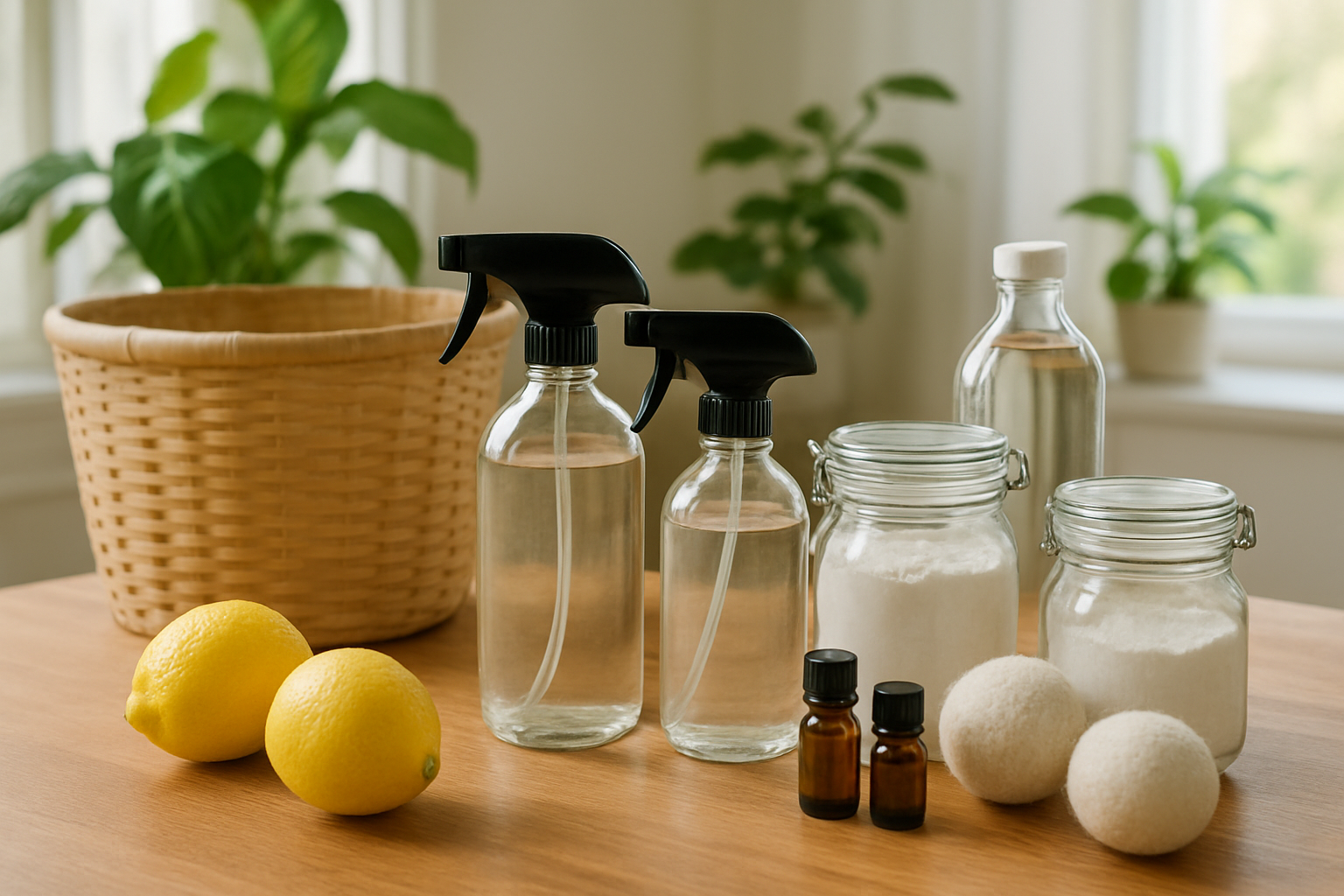
Vinegar and baking soda serve as powerful, versatile cleaning agents that can clean and deodorize many kitchen surfaces effectively and safely. These natural ingredients tackle grease, grime, and odors without introducing toxic chemicals into your cooking environment. The combination of these items creates a gentle yet effective cleaning system suitable for countertops, sinks, and appliances.
Create your own all-purpose cleaner by mixing equal parts water and white vinegar in a spray bottle. This simple solution costs pennies compared to commercial alternatives and works effectively on most kitchen surfaces. The natural acidity in vinegar cuts through grease and soap scum while eliminating bacteria without leaving harmful residues.
Harness lemon juice for its natural acidity, which makes it excellent for cleaning and deodorizing, especially in kitchen applications. Lemon's fresh scent naturally eliminates cooking odors while its acid content breaks down mineral deposits and stains. Use fresh lemon halves to scrub cutting boards, remove stains from countertops, or freshen garbage disposals. These natural cleaning solutions demonstrate how simple household items can replace expensive, chemical-laden products while maintaining superior cleaning performance.
Implement Green Laundry and Cleaning Habits That Pay Off
Wash Clothes in Cold Water and Air Dry When Possible
Transforming your laundry routine represents one of the most impactful yet simple ways to reduce both your environmental footprint and utility bills. The fundamental shift begins with water temperature selection. Washing clothes in cold water delivers exceptional cleaning performance for the vast majority of your laundry loads, while dramatically reducing the energy consumption required for water heating. This straightforward adjustment can significantly lower your monthly energy expenses, as heating water accounts for a substantial portion of your washing machine's energy usage.
The key to successful cold water washing lies in understanding when exceptions are necessary. Reserve hot water exclusively for tackling tough stains that require additional cleaning power. For everyday dirt, sweat, and general wear, cold water proves equally effective while preserving fabric integrity and color vibrancy over time.
Water conservation extends beyond temperature control to load management. Using the appropriate water level for your laundry load size prevents unnecessary water waste and ensures optimal cleaning efficiency. Modern washing machines often include sensors that automatically adjust water levels, but older models require manual selection to match load size with water usage.
Air drying represents the second pillar of eco-friendly laundry practices. Hanging clothes to dry instead of relying on your electric dryer eliminates significant energy consumption while extending the lifespan of your garments. Heat from dryers gradually breaks down fabric fibers, causing premature wear, shrinkage, and fading. Air drying preserves fabric quality, maintains proper fit, and keeps colors vibrant for years longer than machine drying.
Repurpose Household Items for Storage and Organization
Moving beyond laundry practices, creating an organized, eco-friendly home involves reimagining everyday items as valuable storage and organizational tools. This approach eliminates the need for purchasing new containers while reducing waste that would otherwise end up in landfills.
Glass jars serve as versatile storage solutions throughout your home. These containers excel at organizing small items like screws, buttons, craft supplies, or pantry staples. Their transparent nature allows instant identification of contents, while their airtight seals preserve freshness and prevent spillage. Glass jars can even function as drinking glasses, providing an elegant, sustainable alternative to disposable cups.
Worn-out cotton t-shirts gain new life as cleaning rags when cut into appropriately sized pieces. These fabric squares effectively clean surfaces throughout your home while eliminating dependence on disposable wipes that generate ongoing waste and recurring expenses. Cotton's absorbent properties make these repurposed rags particularly effective for dusting, wiping spills, and general cleaning tasks.
For larger organizational projects, consider transforming old plastic trash cans into functional compost bins. This DIY approach requires drilling holes in the bottom and sides to ensure proper drainage and airflow. This repurposing strategy creates an effective composting system while preventing a perfectly functional container from entering the waste stream, demonstrating how creative thinking can solve multiple environmental challenges simultaneously.
Create Family-Wide Eco-Habits That Stick and Save

Educate Children on Sustainability Through Fun Activities
With this in mind, next, we'll see how transforming eco-consciousness into a family affair creates lasting change that extends far beyond your household. Teaching children about sustainability through engaging activities establishes lifelong habits while making environmental responsibility an enjoyable family experience.
The foundation of effective environmental education begins with helping children understand why conserving resources matters. Rather than simply telling them to turn off lights or save water, take time to explain the connection between their actions and real-world impacts. This understanding creates intrinsic motivation that drives long-term behavior change.
Leading by example proves far more powerful than any lecture. Show children how to recycle, conserve water, and save energy through your consistent actions. When they observe you separating recyclables, taking shorter showers, or unplugging electronics, they naturally absorb these behaviors as normal household practices. Children mirror what they see, making your demonstration the most effective teaching tool available.
Active participation accelerates learning and creates ownership of eco-friendly practices. Involve kids in green projects such as sorting recyclables or planting a garden. These hands-on experiences make abstract concepts tangible while building practical skills they'll use throughout their lives. Garden projects particularly excel at connecting children with nature's cycles and the importance of environmental stewardship.
Energy-saving competitions inject excitement into conservation efforts. Create monthly challenges to see who can reduce their energy use the most, tracking who turns off lights most consistently or takes the quickest showers. These friendly competitions transform potentially mundane tasks into engaging games while building awareness of daily consumption patterns.
Creative expression reinforces environmental messages through memorable experiences. Create eco-friendly crafts using recyclable materials for art projects. These activities demonstrate the value of repurposing items while providing quality family time. Children proudly display their creations, serving as constant reminders of environmental principles.
Plan regular nature outings to foster a deeper appreciation for the environment. These experiences create emotional connections to nature that motivate protective behaviors. Whether hiking local trails, visiting parks, or exploring beaches, direct contact with natural environments builds the foundation for lifelong environmental advocacy.
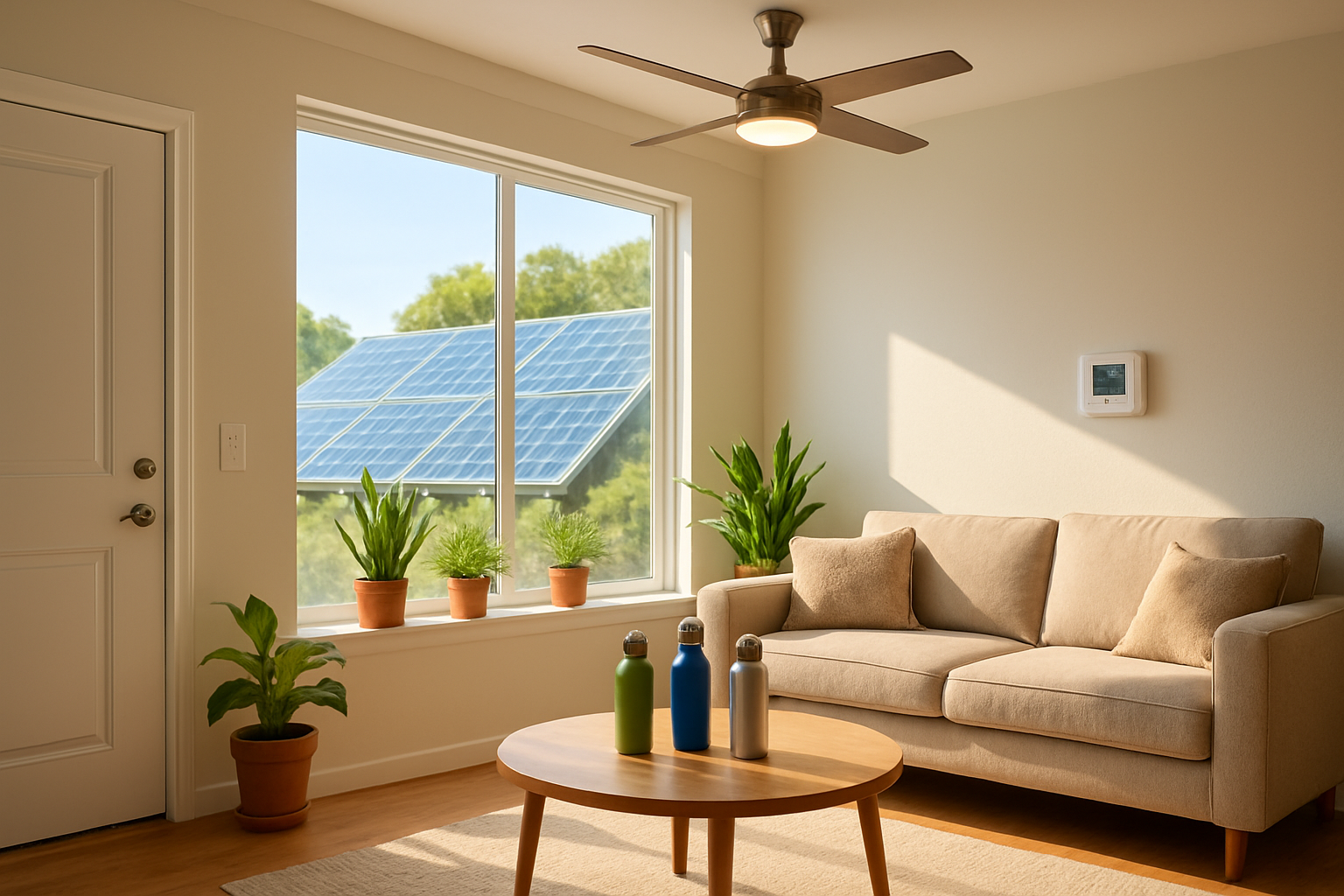
Making your home 100% eco-friendly doesn't require a massive budget or complete lifestyle overhaul. By implementing simple temperature control solutions, sealing energy leaks, conserving water strategically, transforming your kitchen habits, adopting green laundry practices, and creating family-wide eco-habits, you can significantly reduce your environmental impact while saving money. These actionable strategies prove that sustainable living is accessible to everyone, regardless of income level.
Start with one area that resonates most with your family's current needs and budget, then gradually expand your efforts. Remember that small, consistent changes often have the greatest long-term impact. When you involve your entire family in these eco-friendly practices, you're not just creating a greener home—you're building lasting habits that benefit both your wallet and the planet for years to come.