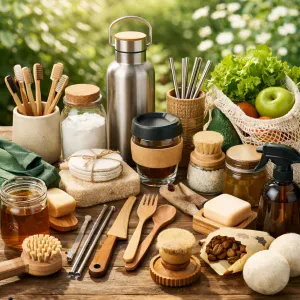
7 Zero-Waste Swaps That Will Transform Your Home Today
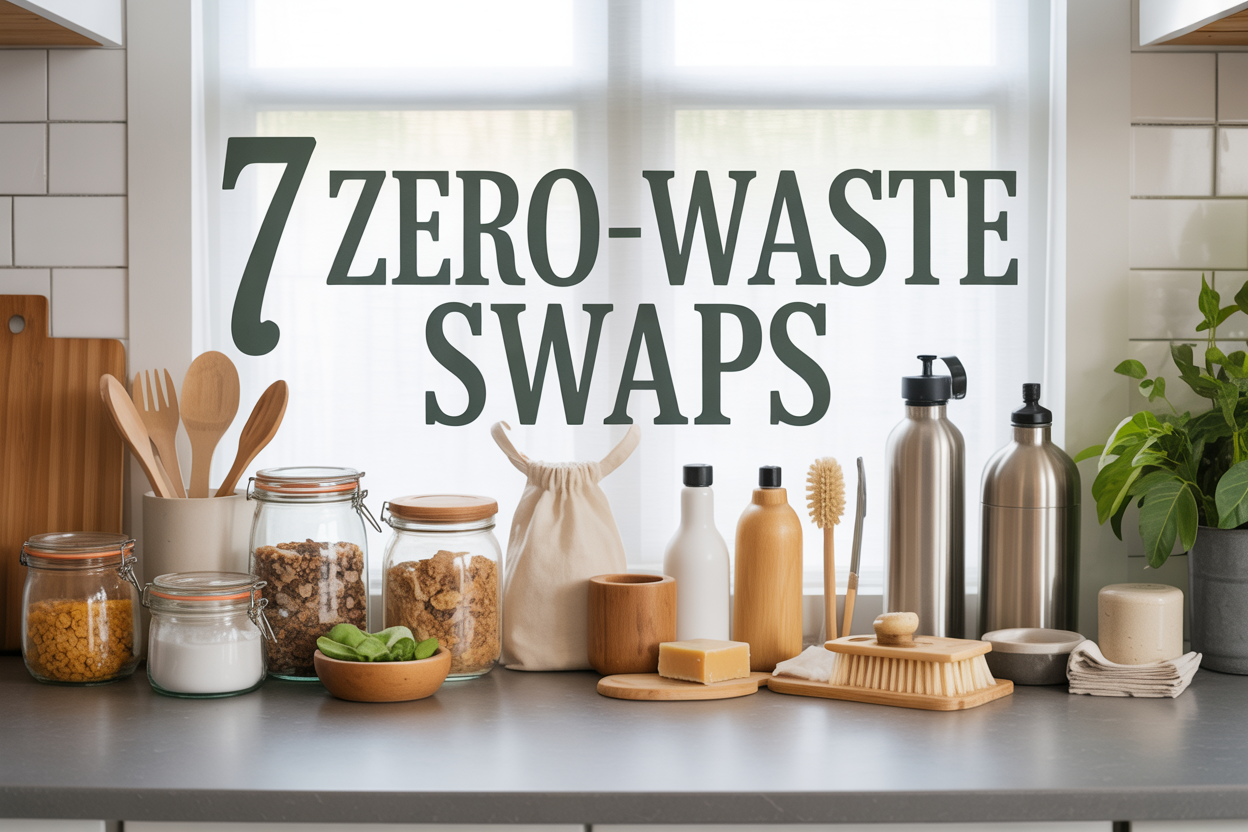
Making the switch to a zero-waste lifestyle doesn't have to be overwhelming or expensive. These 7 zero-waste swaps are designed for busy homeowners who want to reduce their environmental impact without completely overhauling their daily routines.
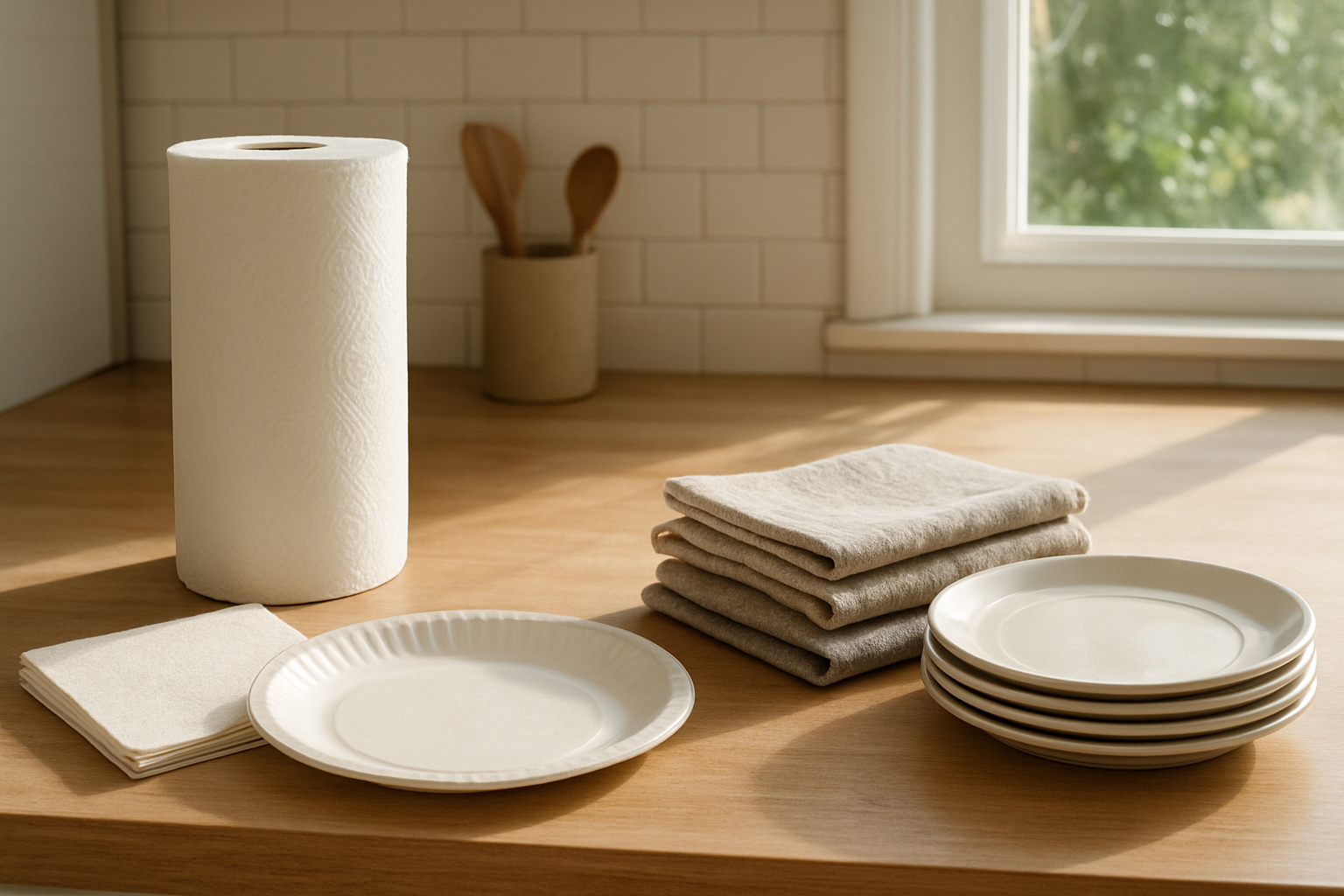
The kitchen often generates the most household waste, but simple changes like replacing disposable paper products with reusable alternatives can immediately cut down on trash while saving money over time. Many families discover that switching to cloth towels, beeswax wraps, and glass storage containers not only reduces waste but also creates a more organized, efficient cooking space.
This guide covers practical swaps across different areas of the home - from transforming kitchen storage and food prep systems to eliminating plastic from cleaning routines and upgrading personal care products. Each swap focuses on items most households already use regularly, making the transition to sustainable alternatives both manageable and budget-friendly. The goal is to help families create lasting changes that become second nature, proving that living more sustainably can actually simplify daily life rather than complicate it.
Replace Single-Use Paper Products with Reusable Alternatives
Choose Bamboo or Recycled Toilet Paper
When it comes to making sustainable swaps in the bathroom, choosing eco-friendly toilet paper represents one of the simplest yet most impactful changes homeowners can implement. This particular swap requires absolutely no adjustment to daily routines while delivering significant environmental benefits that extend far beyond the bathroom.
Traditional toilet paper production places enormous strain on natural resources, as trees require substantial amounts of water, time, and energy to grow before they can be harvested for paper manufacturing. The environmental cost of this process becomes even more concerning when considering that toilet paper is a single-use product that immediately enters the waste stream after serving its purpose.
Bamboo toilet paper emerges as an exceptional alternative due to bamboo's remarkable growth characteristics and minimal resource requirements. Unlike trees that can take decades to mature, bamboo grows rapidly and regenerates quickly after harvesting, making it a genuinely sustainable resource for paper production. This fast-growing grass requires significantly less water and energy to cultivate compared to traditional trees used in toilet paper manufacturing.
Recycled toilet paper offers another environmentally conscious option that supports the circular economy. By choosing recycled varieties, consumers actively contribute to the recycling industry's growth and viability while reducing the demand for virgin materials. This choice helps divert waste from landfills and transforms previously used paper products into new, functional items.
Brands like Who Gives a Crap have recognized this growing demand for sustainable bathroom products and offer both bamboo and recycled toilet paper options. While these eco-friendly alternatives may carry a slightly higher price point than conventional toilet paper, the environmental benefits and long-term sustainability make this investment worthwhile for environmentally conscious households.
The beauty of this particular swap lies in its seamless integration into existing routines. Users experience no difference in functionality or convenience, yet they contribute meaningfully to environmental conservation with every purchase. This makes it an ideal starting point for those beginning their zero-waste journey, as it requires minimal commitment while delivering maximum environmental impact.
Upgrade Your Personal Care Products
Use Refillable or Bar Shampoo and Conditioner
Now that individuals have examined cleaning and shopping alternatives, they can focus on transforming their personal care routines. The bathroom presents numerous opportunities for zero-waste swaps, particularly with hair care products that traditionally come in plastic bottles destined for landfills.
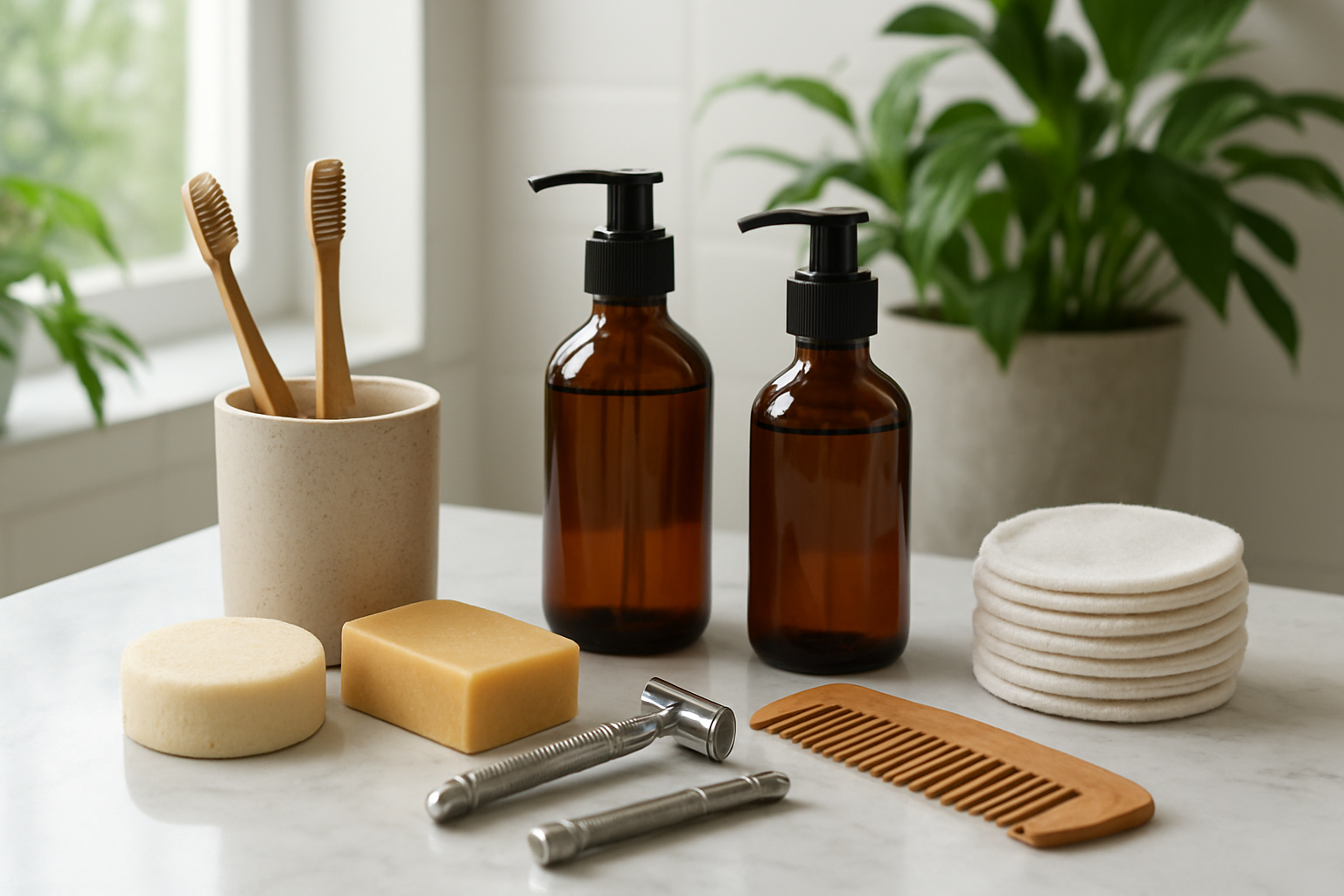
Zero-waste shampoo and conditioner options come in various innovative formats, including bars, liquids, and powders. These alternatives offer significant environmental benefits while often providing superior performance compared to their plastic-bottled counterparts. Many of these concentrated formulations last considerably longer than traditional products, delivering better value alongside their sustainability credentials.
Shampoo bars represent one of the most popular transitions, with options like The Coconut Crush shampoo bar providing effective cleansing without plastic packaging. These solid formulations eliminate the need for preservatives typically required in liquid products and often contain higher concentrations of active ingredients.
For those who prefer liquid formulations, refillable systems offer an excellent compromise. Plaine Products operates a comprehensive send-back system where customers receive their products in reusable containers, then return empty bottles for refilling. This circular approach dramatically reduces packaging waste while maintaining the familiar liquid texture many users prefer.
Modern Kind shampoo powder presents another innovative solution, offering concentrated cleaning power that customers can mix with water as needed. These powder formulations eliminate excess water weight during shipping and provide customizable consistency for different hair types.
Choose Refillable Deodorant or Cardboard Packaging
Previously established cleaning and hair care swaps naturally lead to addressing another daily essential that generates significant packaging waste. Traditional deodorant containers present a particular challenge since they typically cannot be processed through standard recycling systems, making alternative packaging solutions crucial for waste reduction.
Refillable deodorant systems have emerged as game-changing solutions that address both functionality and sustainability concerns. Wild deodorant exemplifies this approach by offering reusable cases that customers can refill indefinitely. These systems feature durable outer containers designed for long-term use, paired with biodegradable or recyclable refill cartridges that contain the actual product.
The refillable model provides several advantages beyond waste reduction. Users often find these systems more economical over time, as refills typically cost less than purchasing entirely new products. Additionally, the reusable cases frequently feature more premium materials and designs compared to disposable alternatives, enhancing the overall user experience.
For those seeking immediate zero-waste improvements without committing to refillable systems, cardboard packaging offers an accessible entry point. Native deodorant packages their products in cardboard tubes that can be composted or recycled through standard paper waste streams. This packaging innovation maintains product integrity while ensuring end-of-life disposal doesn't contribute to landfill accumulation.
Both refillable and cardboard options demonstrate that effective personal care doesn't require compromising on environmental responsibility, proving that sustainable choices can seamlessly integrate into daily routines.
Make Your Home More Energy and Water Efficient
Install a Bidet to Reduce Toilet Paper Usage
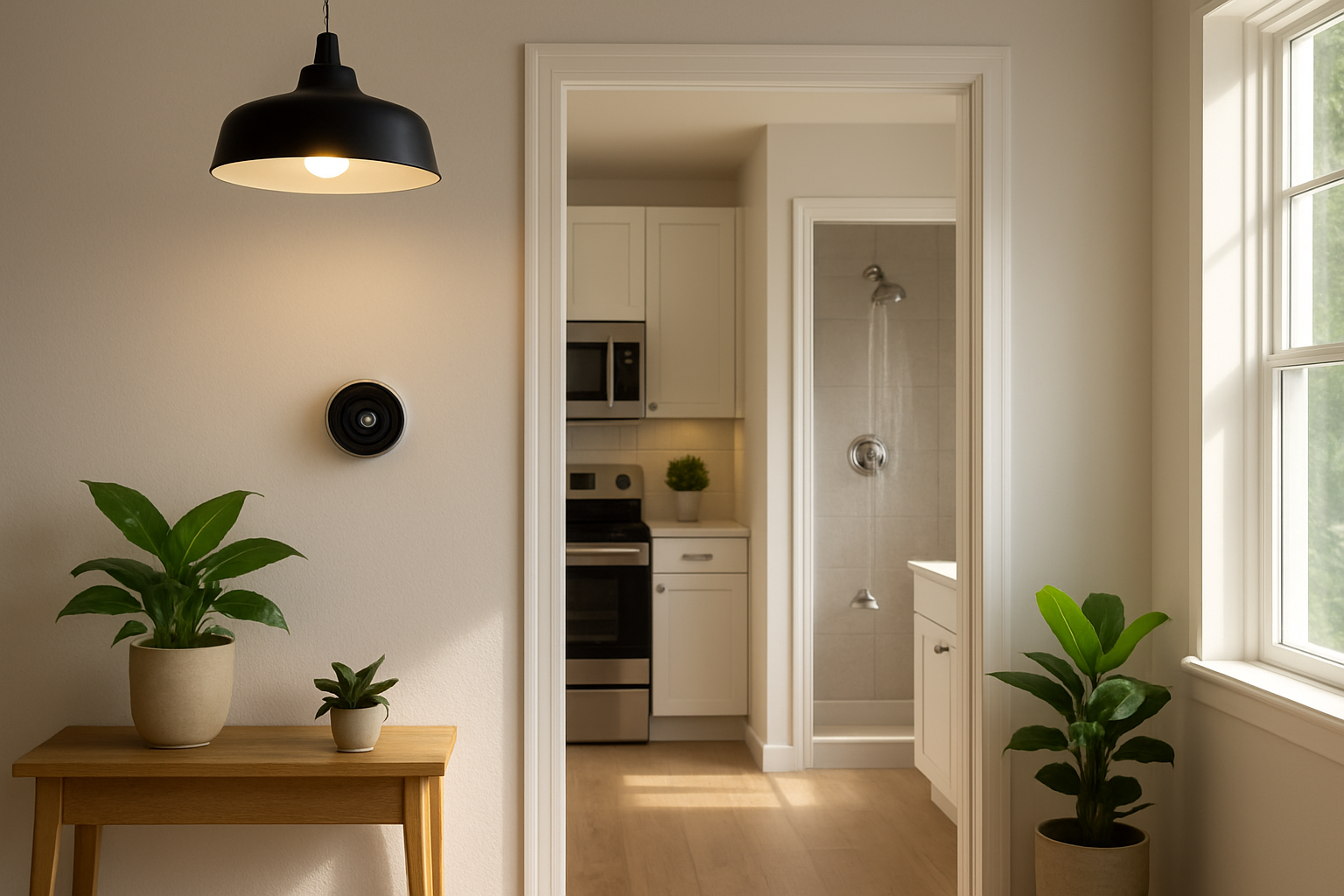
Installing a bidet represents one of the most effective water efficiency improvements homeowners can implement to reduce their environmental footprint. Bidets significantly reduce toilet paper consumption, directly contributing to less environmental harm from toilet paper production processes. While some paper products may still be needed for drying purposes, the overall reduction in usage can be substantial. Among the available options in the market, Whisper stands out as a particularly favored bidet brand that homeowners frequently choose for their bathroom upgrades.
Line-Dry Clothes Instead of Using the Dryer
Transitioning from machine drying to line-drying clothes offers multiple benefits for both energy efficiency and garment longevity. This simple swap saves considerable electricity consumption and reduces monthly utility costs, making it an economically advantageous choice for households. Beyond the financial benefits, line drying helps clothes last significantly longer by reducing the wear and tear caused by high heat exposure in traditional dryers.
Homeowners have flexible options for implementing this practice. They can utilize an outdoor clothesline during favorable weather conditions, taking advantage of natural sunlight and air circulation. For those with limited outdoor space or during inclement weather, an indoor drying rack provides an equally effective alternative that maintains the energy-saving benefits while accommodating various living situations.
Collect and Reuse Gray Water in Your Home
Gray water collection and reuse systems allow homeowners to maximize their water efficiency by repurposing water that would otherwise go down the drain. Common sources of gray water include dishwater from washing dishes and water collected while waiting for shower water to reach the desired temperature. These collected waters can be effectively redirected for practical purposes such as watering outdoor landscaping or even flushing toilets, depending on the home's plumbing configuration.
Additionally, rainwater collection through rain barrels provides another valuable resource utilization opportunity. Instead of relying exclusively on tap water for plant irrigation, homeowners can capture and store rainwater for gardening purposes. This practice not only reduces overall water usage but also contributes to lower electricity bills, as it decreases the demand on municipal water treatment and delivery systems that require energy to operate.
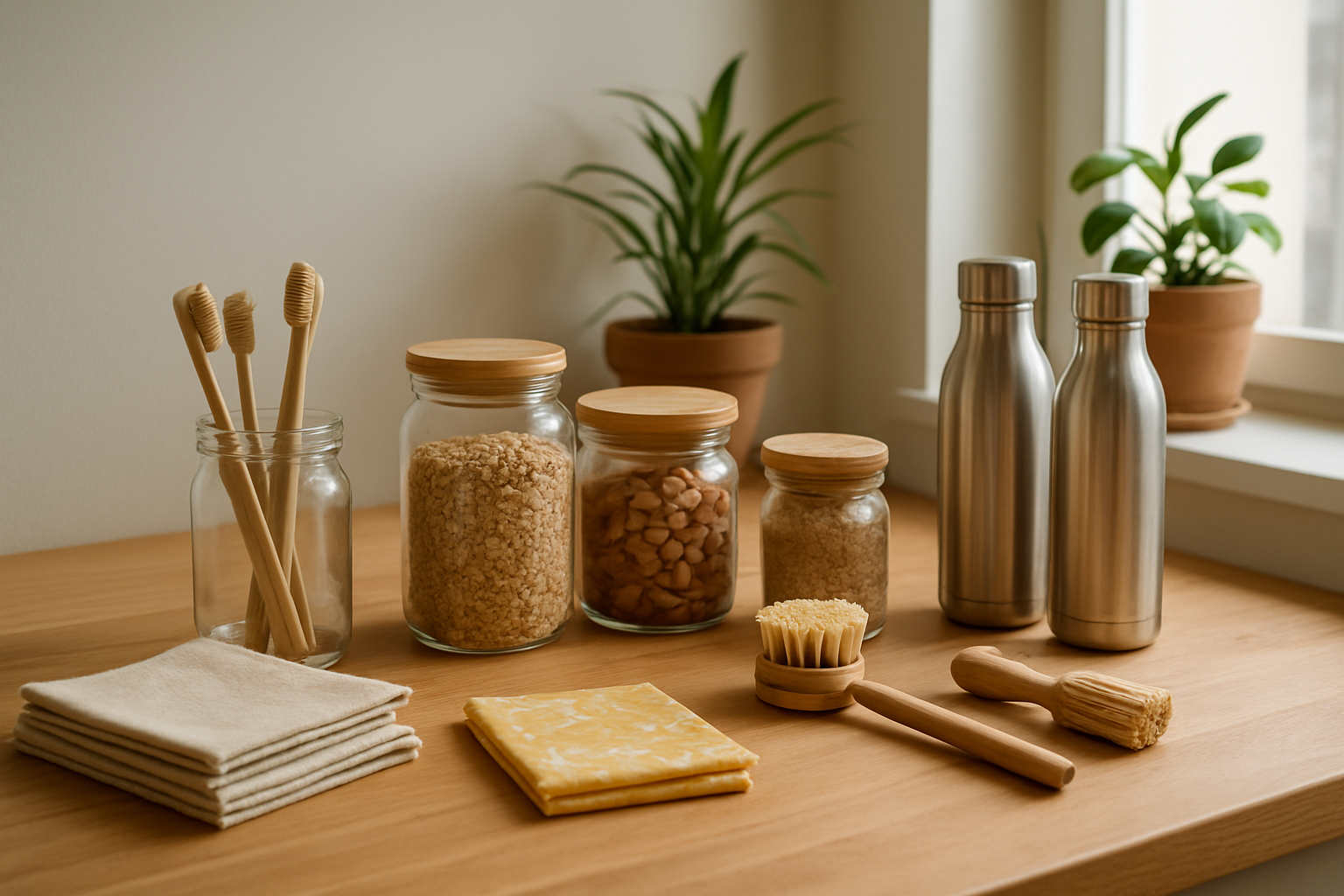
Making these seven zero-waste swaps represents more than just replacing products—it's about creating a sustainable mindset that transforms how one approaches daily life. From swapping paper towels for reusable cloths to upgrading storage solutions and cleaning routines, each change builds momentum toward a more environmentally conscious household. These practical substitutions prove that living sustainably doesn't require dramatic lifestyle overhauls; instead, small, thoughtful changes can significantly reduce waste while often saving money in the long run.
The journey toward a zero-waste home starts with a single swap, and the key is choosing changes that feel manageable and sustainable for one's specific situation. Whether someone begins with reusable water bottles and grocery bags or tackles more comprehensive changes like composting and energy conservation, every step matters. Remember, the goal isn't perfection—it's progress. As these swaps become second nature, they create space for even more sustainable choices, ultimately transforming not just the home, but one's entire relationship with consumption and waste.