15 Home Eco Products That Cut Your Carbon Footprint in Half
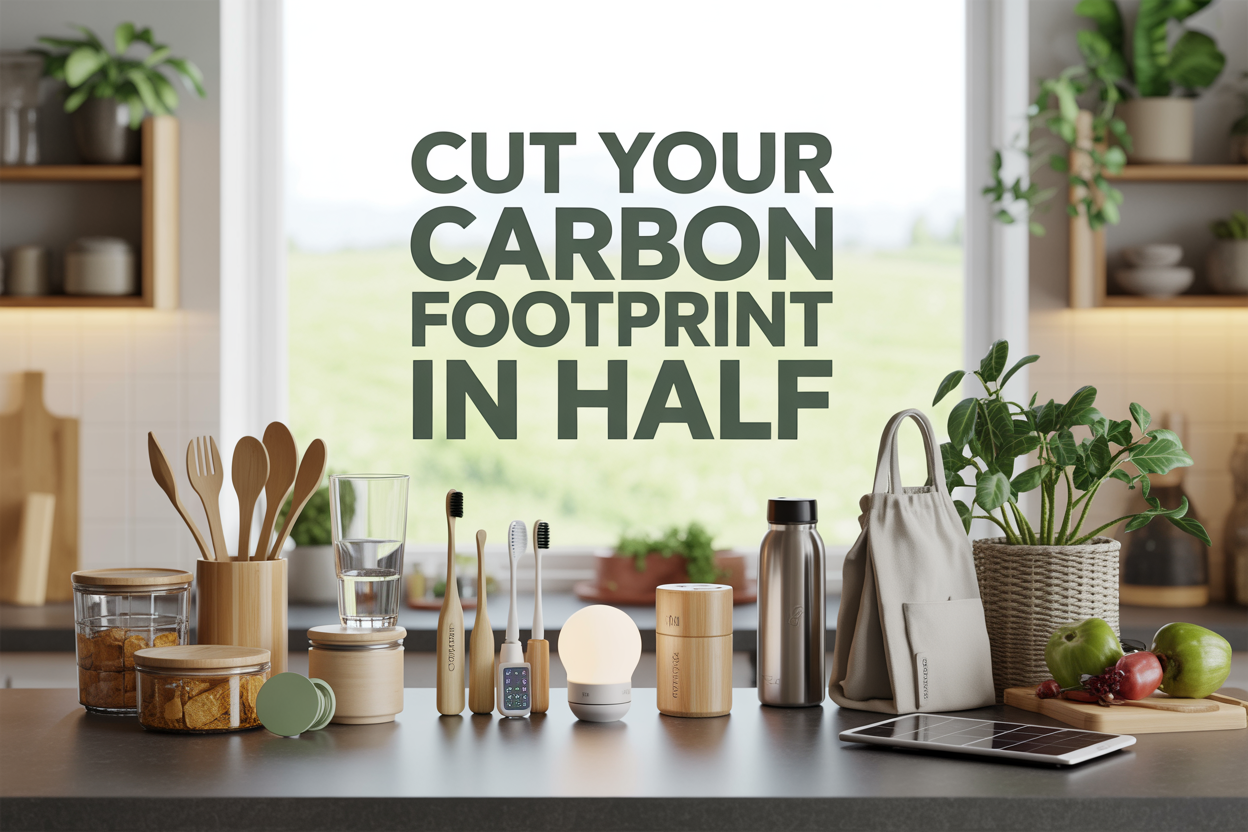
Your home is pumping out more carbon emissions than you think. From plastic packaging that never decomposes to energy-hungry appliances running 24/7, the average household contributes significantly to climate change through everyday purchases and habits.
This guide is for eco-conscious homeowners and renters ready to make a real difference without overhauling their entire lifestyle. You don't need to live off-grid or spend thousands on solar panels to cut your carbon footprint in half.
We'll walk through 15 home eco products that cut your carbon footprint in half, covering three key areas that deliver the biggest impact. First, you'll discover sustainable food and kitchen products that eliminate waste – from living composters that turn scraps into plant fertilizer to reusable produce bags that ditch single-use plastic. Next, we'll explore energy-efficient home solutions that cut utility costs while reducing emissions. Finally, you'll learn about eco-friendly personal care items that reduce plastic waste, like shampoo bars that replace hundreds of plastic bottles and bamboo toothbrushes that break down naturally.
Each small swap adds up to major environmental benefits. Ready to transform your home into a carbon-cutting machine?
Sustainable Food and Kitchen Products That Eliminate Waste

Compostable Chocolate Packaging That Supports Regenerative Agriculture
Alter Eco Chocolate represents a revolutionary approach to sustainable confectionery that addresses multiple environmental concerns simultaneously. This fair-trade chocolate brand goes beyond ethical sourcing by achieving climate neutral certification, demonstrating their commitment to offsetting their entire carbon footprint. What sets Alter Eco apart is their dedication to regenerative agriculture practices, which actively restore soil health and sequester carbon from the atmosphere rather than simply maintaining the status quo.
The brand's compostable packaging eliminates the persistent waste problem associated with traditional chocolate wrappers. Unlike conventional plastic packaging that can take centuries to decompose, these innovative wrappers break down naturally in home composting systems, returning valuable nutrients to the soil. This circular approach to packaging design ensures that even the wrapper contributes to environmental restoration rather than pollution.
Living Composters That Transform Food Scraps Into Plant Fertilizer
The biomorphic living composter offers a sophisticated solution for urban households seeking to eliminate food waste while creating valuable resources. This innovative system harnesses the natural decomposition power of hardworking worms to process over two pounds of food scraps weekly, transforming kitchen waste into nutrient-rich fertilizer perfect for houseplants and gardens.
The system's odorless operation makes it suitable for indoor use, while its simple, futuristic design integrates seamlessly into modern home aesthetics. This living ecosystem creates a closed-loop system where organic waste becomes the foundation for healthy plant growth, effectively eliminating the need for synthetic fertilizers and reducing the volume of waste sent to landfills.
Reusable Produce Bags That Replace Single-Use Plastic
Organic cotton reusable produce bags provide a durable alternative to the billions of single-use plastic bags distributed in grocery stores annually. These expandable bags accommodate various produce sizes and weights while maintaining their structural integrity through repeated use. The machine washable design ensures long-term hygiene and usability, making them a practical investment for environmentally conscious consumers.
Available in small, medium, and large sizes, these bags cater to diverse shopping needs while significantly reducing plastic consumption. The organic cotton construction ensures biodegradability at the end of the product's life cycle, creating a truly sustainable alternative to petroleum-based plastic bags.
Interactive Water Bottles That Support National Park Conservation
The interactive water bottle concept combines hydration with environmental education and conservation funding. Featuring detailed showcases of all 63 U.S. national parks, these bottles serve as portable educational tools that inspire appreciation for America's protected natural spaces. Each bottle transforms daily hydration into an opportunity to learn about diverse ecosystems, geological formations, and wildlife habitats.
The conservation impact extends beyond education, as 5% of each purchase directly supports the National Parks Conservation Association's mission to protect public lands. This funding mechanism ensures that consumer choices translate into tangible conservation efforts, supporting habitat protection, wildlife conservation programs, and environmental education initiatives across the national park system.
Eco-Friendly Personal Care Items That Reduce Plastic Waste

Biodegradable Bamboo Toothbrushes That Give Back to Children
Now that we have covered sustainable food and kitchen solutions, let's explore how personal care routines can dramatically reduce plastic waste. The Humble Co. offers an exemplary solution with their plastic-free bamboo toothbrushes, which have been expertly developed by dentists to ensure optimal oral health without environmental compromise. These thoughtfully designed toothbrushes represent more than just an eco-friendly alternative—they embody a commitment to global social responsibility.
What sets The Humble Co. apart is their innovative giving model that transforms each purchase into a meaningful contribution. For every bamboo toothbrush sold, a child in need receives their own toothbrush or an alternative oral care product, creating a ripple effect of positive impact that extends far beyond environmental benefits. This approach demonstrates how conscious consumption can simultaneously address environmental degradation and social inequality.
The bamboo construction offers superior biodegradability compared to conventional plastic toothbrushes, which can persist in landfills for centuries. By choosing bamboo alternatives, consumers actively participate in reducing the billions of plastic toothbrushes that enter waste streams annually.
Compostable Bamboo Cotton Swabs Instead of Plastic Alternatives
With this sustainable oral care foundation established, next we'll examine another everyday personal care item that significantly contributes to ocean pollution. Eco-friendly cotton swabs present a compelling alternative to their plastic counterparts, which frequently end up polluting marine environments or accumulating in landfills where they resist decomposition for decades.
These environmentally conscious cotton swabs are crafted from two completely natural materials: cotton and bamboo. The bamboo stems provide the necessary structural integrity while maintaining full compostability, ensuring that these products return to the earth harmlessly after use. The sustainable manufacturing process extends to the packaging, which utilizes recycled materials to minimize environmental impact throughout the product lifecycle.
The environmental implications of this simple switch are profound. Traditional plastic cotton swabs rank among the most commonly found debris in ocean cleanup efforts, posing serious threats to marine wildlife through ingestion and habitat contamination. By choosing bamboo alternatives, consumers eliminate their contribution to this persistent pollution source while maintaining the functionality they expect from personal care products.
Refillable Stainless Steel Razors for Zero-Waste Shaving
Previously, we've explored disposable personal care alternatives, but zero-waste shaving represents perhaps the most significant opportunity for long-term environmental impact reduction. The Twig Reusable Razor by Leaf exemplifies innovative design that prioritizes both environmental sustainability and superior performance.
This plastic-free, unisex razor features a refillable stainless steel single-edge blade system that delivers exceptional shaving quality from head to toe without generating ongoing waste. The durable construction ensures years of reliable use, effectively eliminating the need for disposable razors that contribute millions of units to landfills annually. The razor's engineering focuses on providing a close, comfortable shave that rivals or exceeds traditional disposable options.
The Twig's versatility extends to its aesthetic appeal, with availability in six distinct colors to suit personal preferences while maintaining its core environmental mission. The single-edge blade design not only reduces material consumption but also provides superior control and precision during shaving, demonstrating that sustainable choices need not compromise on quality or user experience.
This refillable system represents a fundamental shift from the disposable consumption model that characterizes much of the personal care industry, offering consumers a pathway to dramatically reduce their long-term environmental footprint while potentially saving money through reduced ongoing purchases.
Energy-Efficient Home Solutions That Cut Utility Costs
LED and CFL Light Bulbs for Long-Term Energy Savings
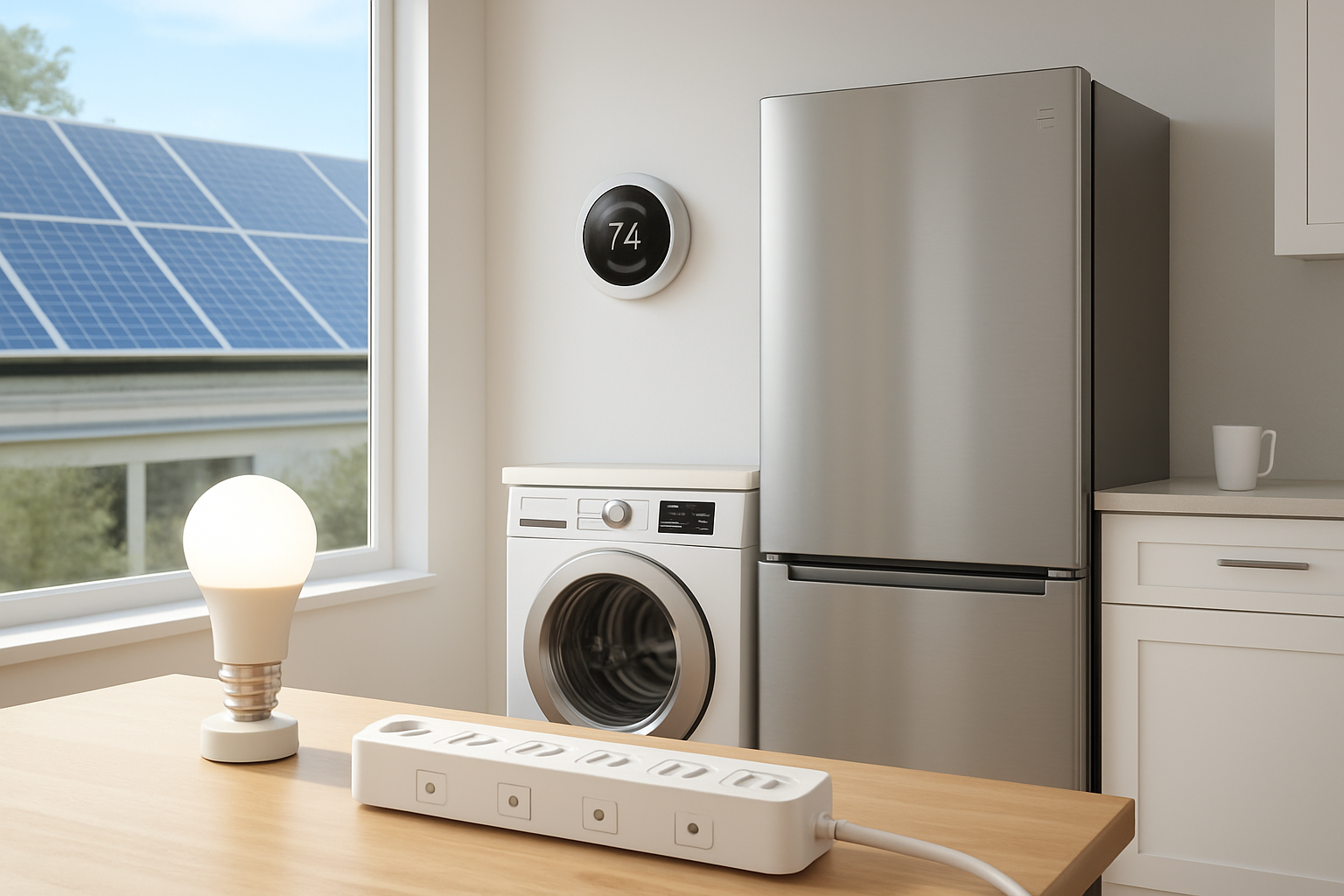
Switching to energy-efficient LED or CFL light bulbs represents one of the most straightforward and cost-effective ways to reduce your home's energy consumption. These lighting solutions provide substantial long-term energy savings compared to traditional incandescent bulbs, making them an essential upgrade for any environmentally conscious household.
The financial benefits extend beyond just reduced electricity bills. Many utility providers recognize the environmental impact of efficient lighting and offer these bulbs for free or at significant discounts to their customers. This makes the transition even more accessible and eliminates the upfront cost barrier that might prevent homeowners from making the switch.
LED bulbs, in particular, offer exceptional longevity, lasting significantly longer than both CFL and incandescent options. This extended lifespan means fewer replacements over time, reducing both waste and the ongoing expense of purchasing new bulbs.
Energy Star Appliances That Reduce Power Consumption
When the time comes to replace major household appliances like refrigerators or stoves, selecting Energy Star® certified products becomes crucial for maintaining your home's energy efficiency goals. These appliances undergo rigorous testing to meet strict energy efficiency guidelines set by the U.S. Environmental Protection Agency and Department of Energy.
Energy Star certified appliances are specifically designed to reduce power consumption without sacrificing performance or functionality. Whether you're replacing a decades-old refrigerator or upgrading your cooking range, these certified products ensure that your new appliance will operate using significantly less energy than standard models.
The power reduction achieved through Energy Star appliances contributes meaningfully to lowering your home's overall carbon footprint while simultaneously reducing monthly utility expenses. This dual benefit makes them an intelligent investment for long-term environmental and financial sustainability.
Home Insulation and Window Sealing to Prevent Energy Loss
Proper home insulation and window sealing create a comprehensive barrier against energy loss, addressing two of the most significant sources of heating and cooling inefficiency in residential buildings. Insulating your home prevents substantial heating and cooling loss through walls, creating a more stable indoor environment that requires less energy to maintain comfortable temperatures.
Window improvements offer particularly dramatic results. Sealing cracks in and around windows eliminates air leaks that force heating and cooling systems to work harder. Even more impactful is upgrading from single-pane to double-paned windows, which creates an insulating air barrier that significantly reduces heat transfer.
The financial impact of these improvements can be substantial, with proper insulation and window sealing capable of reducing heating and cooling-related costs by up to half a grand annually. This level of savings makes these upgrades not just environmentally responsible choices, but also smart financial investments that pay for themselves over time while dramatically reducing your home's energy consumption and carbon footprint.
Conscious Shopping and Consumption Habits

Sustainable Fashion Choices Over Fast Fashion
Fast fashion poses a significant environmental threat through its intensive chemical usage, contribution to massive landfills, and excessive water waste. Rather than falling into the trap of cheap, disposable clothing, adopting a more selective approach to fashion consumption can dramatically reduce your environmental impact.
Consider purchasing vintage or recycled clothing as your primary strategy for building a sustainable wardrobe. These choices directly reduce demand for new production while simultaneously minimizing textile waste that would otherwise end up in landfills. When new purchases are necessary, research brands committed to sustainable practices. Companies like Allbirds and Girlfriend Collective have established themselves as leaders in sustainable apparel, demonstrating that style and environmental responsibility can coexist seamlessly.
Local and Organic Food Purchasing to Reduce Transport Emissions
With this commitment to conscious consumption in mind, your food choices represent another powerful opportunity to cut your carbon footprint significantly. Local and organic food purchasing addresses multiple environmental concerns simultaneously, making it one of the most impactful changes you can implement.
Organic farming practices utilize fewer pesticides and synthetic fertilizers, reducing soil and water contamination while supporting biodiversity. The transportation aspect is equally crucial—approximately 11% of U.S. carbon emissions stem from food transport alone. By prioritizing in-season, locally-grown produce, you support regional farmers while drastically reducing the emissions associated with long-distance shipping.
Your protein choices deserve particular attention, as livestock production carries an enormous environmental cost. Methane emissions from cattle are 80 times more potent than CO2 as a greenhouse gas. Beef production specifically demands 1,847 gallons of water per pound and contributes significantly to deforestation worldwide. Reducing meat consumption, even partially, yields substantial environmental benefits.
Bulk Buying and Minimal Packaging Selection
Now that we understand the importance of food sourcing, the way we shop matters equally. Bulk purchasing strategies offer a practical approach to reducing packaging waste while often providing economic benefits as well.
When shopping, prioritize items with minimal packaging or packaging made from recycled and biodegradable materials. Bring reusable bags and containers to stores that offer bulk options, eliminating single-use packaging entirely for items like grains, nuts, and cleaning products. This approach requires some initial planning but becomes second nature with practice, dramatically reducing the waste stream from your household.
Supporting Companies with Verified Environmental Certifications
Previously covered strategies focus on individual choices, but supporting environmentally responsible companies amplifies your impact across entire supply chains. However, navigating corporate sustainability claims requires careful research to avoid falling victim to greenwashing tactics.
Look for verified certifications such as Fair Trade, Organic, or Rainforest Alliance when making purchasing decisions. These third-party validations ensure companies meet rigorous environmental and social standards. Research a product's entire lifecycle, from raw material sourcing through manufacturing and disposal, rather than accepting surface-level marketing claims.
Prioritize durability over initial price points, as longer-lasting products reduce replacement frequency and overall resource consumption. Engage directly with brands through social media and customer feedback channels to encourage continued sustainable practices and transparency.
Companies like Baggu exemplify this commitment by using recycled materials and sustainable packaging throughout their operations. Similarly, Siblings offers eco-friendly candle products packaged in compostable bags, demonstrating how businesses can integrate sustainability into every aspect of their operations. Utilize eco-friendly apps and resources to make informed choices and support these verified sustainable businesses with your purchasing power.
Water Conservation Methods That Lower Environmental Impact
Low-Flow Fixtures and Leak Prevention Systems
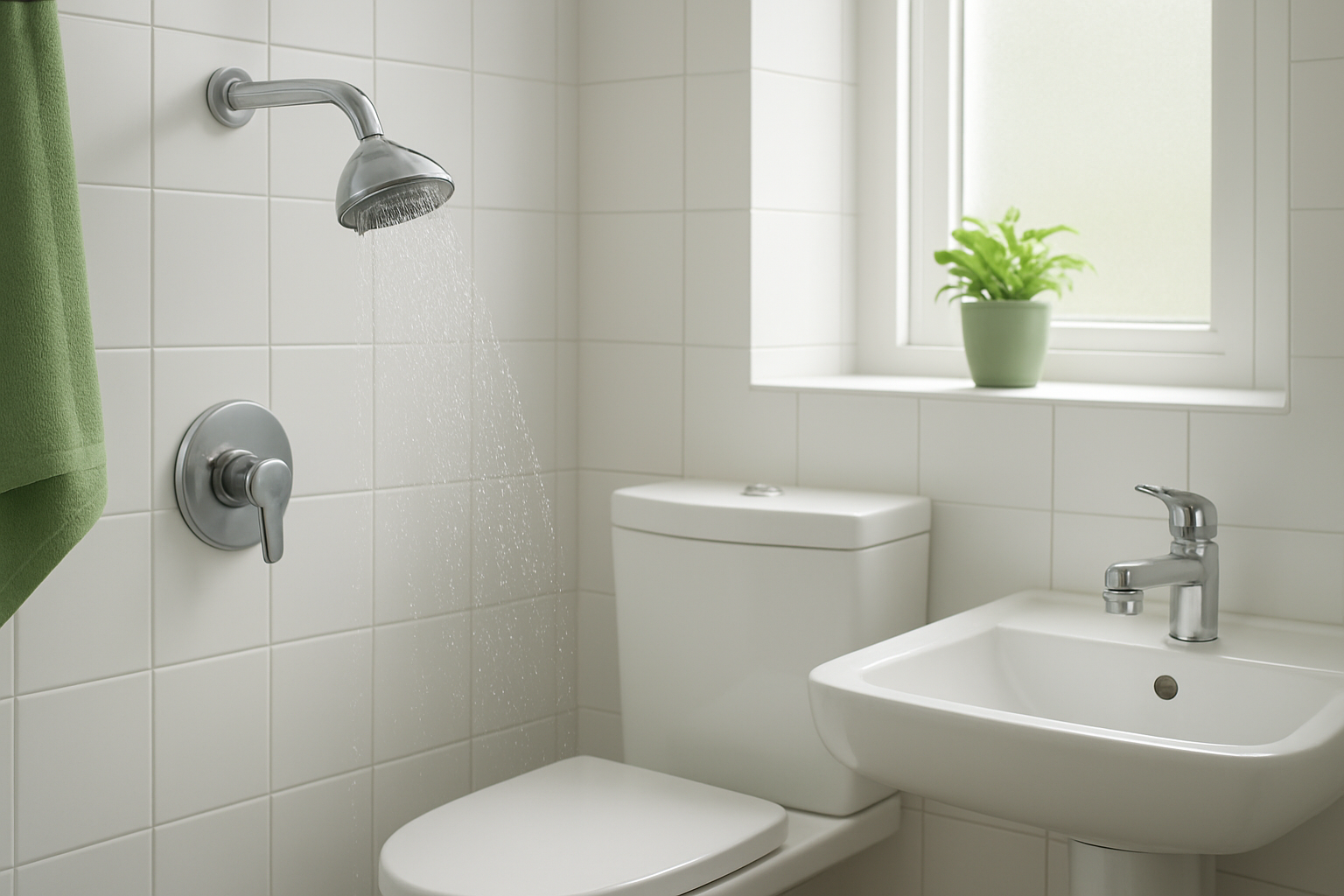
Being mindful of water usage through strategic fixture upgrades and proactive leak prevention can dramatically reduce your home's water consumption. Installing low-flow shower heads and faucets represents one of the most effective immediate changes you can make to conserve water. These fixtures maintain water pressure while significantly reducing flow rates, allowing you to maintain comfort while cutting consumption.
Simple behavioral changes amplify these hardware improvements. Turning off water while brushing teeth prevents unnecessary waste during daily routines. However, the most impactful conservation strategy involves promptly addressing leaks throughout your home. A dripping faucet or leaking toilet can waste thousands of gallons annually, making quick repairs essential for meaningful water savings.
Consider upgrading to water-efficient appliances that carry the EPA's WaterSense label, which indicates products meet strict efficiency criteria without sacrificing performance. Dual-flush toilets represent another significant upgrade opportunity, offering two flush options based on waste type and reducing water usage per flush.
Greywater reuse systems provide advanced conservation opportunities by allowing you to repurpose water from sinks, showers, and washing machines for irrigation and other non-potable applications. These systems capture water that would otherwise go down the drain and redirect it for useful purposes around your property.
Drought-Resistant Gardens and Smart Watering Techniques
Now that we've covered indoor water conservation, creating outdoor spaces that require minimal water input becomes the next priority for reducing environmental impact. Choosing drought-resistant plants for your garden eliminates the need for excessive irrigation while reducing ongoing maintenance requirements.
Smart watering techniques maximize the effectiveness of any water you do apply to your landscape. Watering during cooler hours—specifically early morning or late evening—reduces water loss due to evaporation, ensuring more moisture reaches plant roots rather than disappearing into the atmosphere.
Native plant landscaping offers the most sustainable approach to water-conscious gardening. Using plants acclimated to your specific climate means they naturally require less supplemental watering while supporting local biodiversity. Research local species through regional nurseries and plan for a diverse mix of native trees, shrubs, and flowers that thrive in your area's natural conditions.
Consider replacing traditional lawns with native groundcovers that provide similar aesthetic benefits without constant watering demands. Implementing a rain garden with native plants serves dual purposes: reducing stormwater runoff while improving overall water quality through natural filtration processes. These gardens capture rainwater that would otherwise flow off your property, allowing it to slowly infiltrate the soil while nourishing carefully selected native vegetation.
Waste Reduction Strategies for Zero-Waste Living

Digital Subscriptions to Eliminate Paper Consumption
Transitioning to digital subscriptions represents one of the most impactful changes you can make to reduce your environmental footprint. By opting for digital versions of newspapers, magazines, and bills, you directly contribute to saving trees while significantly decreasing your carbon footprint. This simple switch eliminates the need for paper production, printing, and physical delivery services that contribute to greenhouse gas emissions.
The environmental benefits extend beyond just paper savings. Digital subscriptions eliminate the entire supply chain associated with physical publications, including transportation, packaging, and disposal processes. This comprehensive approach to waste reduction makes digital subscriptions a cornerstone strategy for anyone committed to zero-waste living.
Reusable Containers and Bags for All Shopping Needs
Now that we've addressed digital consumption, let's examine how reusable containers revolutionize everyday shopping habits. Instead of relying on plastic wrap or single-use bags for food storage, switching to reusable containers made of glass or metal creates a sustainable storage system that lasts for years.
The practice extends beyond home storage to active shopping strategies. Bringing your own containers for takeout orders or shopping at delis eliminates the need for single-use plastic packaging entirely. This proactive approach prevents plastic waste from entering your home while supporting businesses that accommodate eco-conscious customers.
Tree Planting and Forest Conservation Support Programs
With waste reduction strategies in place, supporting reforestation efforts amplifies your environmental impact exponentially. Actively engaging in local or global tree planting campaigns, such as those organized by the Arbor Day Foundation, creates measurable positive environmental change. These programs allow individuals to directly contribute to carbon offset initiatives while restoring critical wildlife habitats.
Adopting trees or entire forest sections through established conservation programs provides ongoing support for ecosystem restoration. Supporting reforestation projects creates long-term environmental benefits that extend far beyond individual household changes, contributing to global climate change mitigation efforts.
Junk Mail Elimination to Save Trees and Resources
Previously, I've discussed active environmental contributions, but eliminating junk mail represents a powerful passive strategy for resource conservation. The statistics surrounding junk mail consumption are staggering: this industry uses over 100 million trees annually, consumes 28 billion gallons of water, and generates 40 million tons of CO2 emissions.
Unsubscribing from unwanted mail services creates immediate environmental benefits while reducing household clutter. The Federal Trade Commission provides comprehensive resources for opting out of advertising mailings, making this process accessible to every household. This elimination strategy prevents waste at its source rather than managing it after arrival, representing the most efficient approach to reducing mail-related environmental impact.

Making the switch to eco-friendly products doesn't require a complete lifestyle overhaul overnight. From sustainable kitchen solutions that eliminate waste to energy-efficient appliances that cut utility costs, each small substitution brings you closer to reducing your carbon footprint by half. The 15 products highlighted demonstrate that conscious consumption can be both practical and enjoyable – whether you're composting food scraps with a living composter, replacing plastic bottles with reusable alternatives, or choosing biodegradable phone cases over traditional options.
Remember, you don't have to implement every change at once to make a meaningful difference. Start with one or two products that resonate with your current lifestyle, then gradually expand your sustainable choices. Each eco-friendly swap not only reduces your environmental impact but also supports companies committed to regenerative practices and climate-neutral operations. By being mindful of the products you bring into your home, you're contributing to a collective effort that can create lasting change for our planet's future.